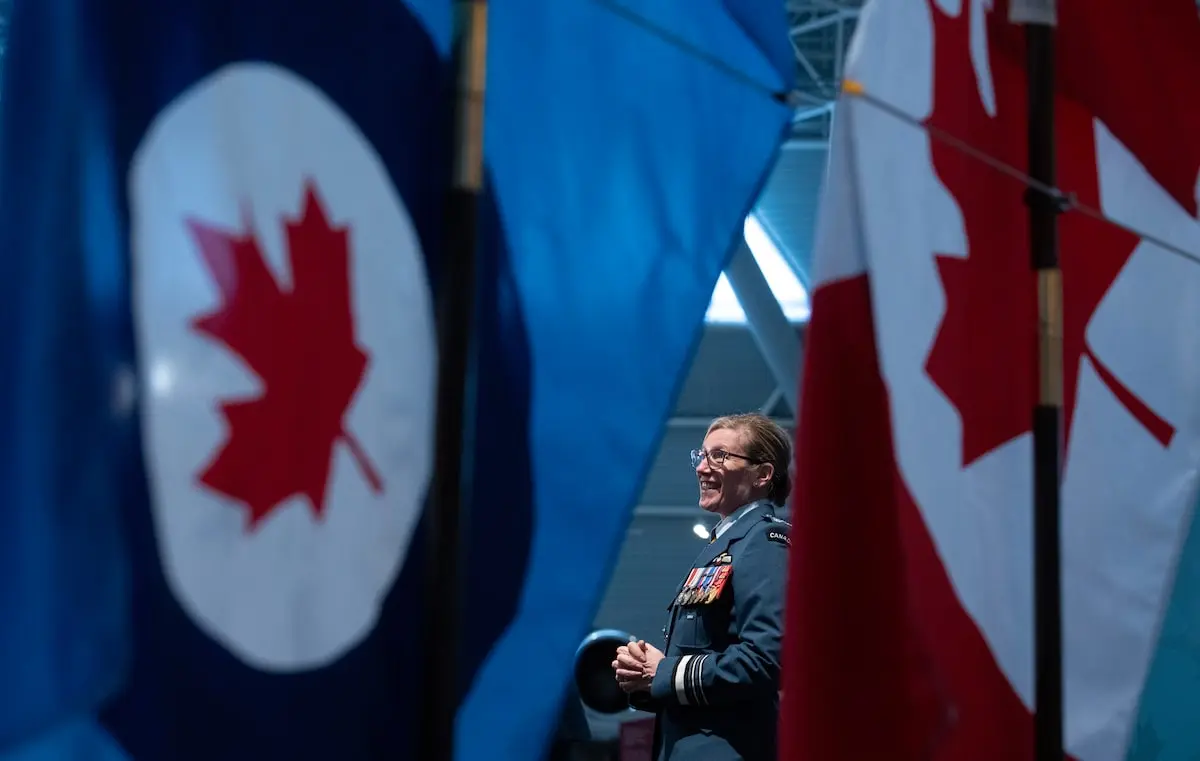
Canada’s increased defense spending has led to more flight hours for Royal Canadian Air Force (RCAF) pilots, according to its commander, Lt.-Gen. Jamie Speiser-Blanchet. The funding boost, aimed at meeting NATO commitments, has allowed the RCAF to generate more spare parts, training exercises, and operational readiness.
Defense Spending Fuels RCAF Readiness
Speiser-Blanchet, the first woman to lead the RCAF, said the additional funding has directly impacted aircraft availability. Fleets like the CC-130 Hercules, C-17 Globemasters, and CF-18 Hornets are logging more airtime, enabling greater participation in allied training and exercises. "By having this money, we were able to generate more spare parts and more flying hours," she said.
The RCAF is in the midst of a "giant transformation," balancing new procurement with ongoing operations. The service is acquiring F-35 fighter jets, surveillance aircraft, search-and-rescue planes, and refueling tankers while upgrading radar systems and training programs. However, personnel shortages—nearly 2,000 positions unfilled—remain a persistent challenge.
Modernization Challenges and Future Plans
Speiser-Blanchet acknowledged the pace of change is daunting. "It’s the thought that there’s something we should be doing now to ensure future success that keeps me up at night," she said. The RCAF has already made tough decisions, including retiring the CT-114 Tutor Snowbird jets, and expects more as it prioritizes projects.
Recruitment efforts are expanding beyond pilots to include aerospace technicians, security forces, and space mission operators. The first F-35 jets are set to arrive at a U.S. airbase by year’s end, with training already underway. Despite political uncertainties—including a review of Canada’s F-35 order—the RCAF’s collaboration with U.S. forces remains strong, Speiser-Blanchet said.
What’s Next for the RCAF
The air force will continue integrating new systems while addressing personnel gaps and operational demands. With defense spending at its highest level since the Cold War, the RCAF faces both opportunity and pressure to modernize efficiently. Observers should watch for further procurement decisions and the rollout of new training programs in the coming months.