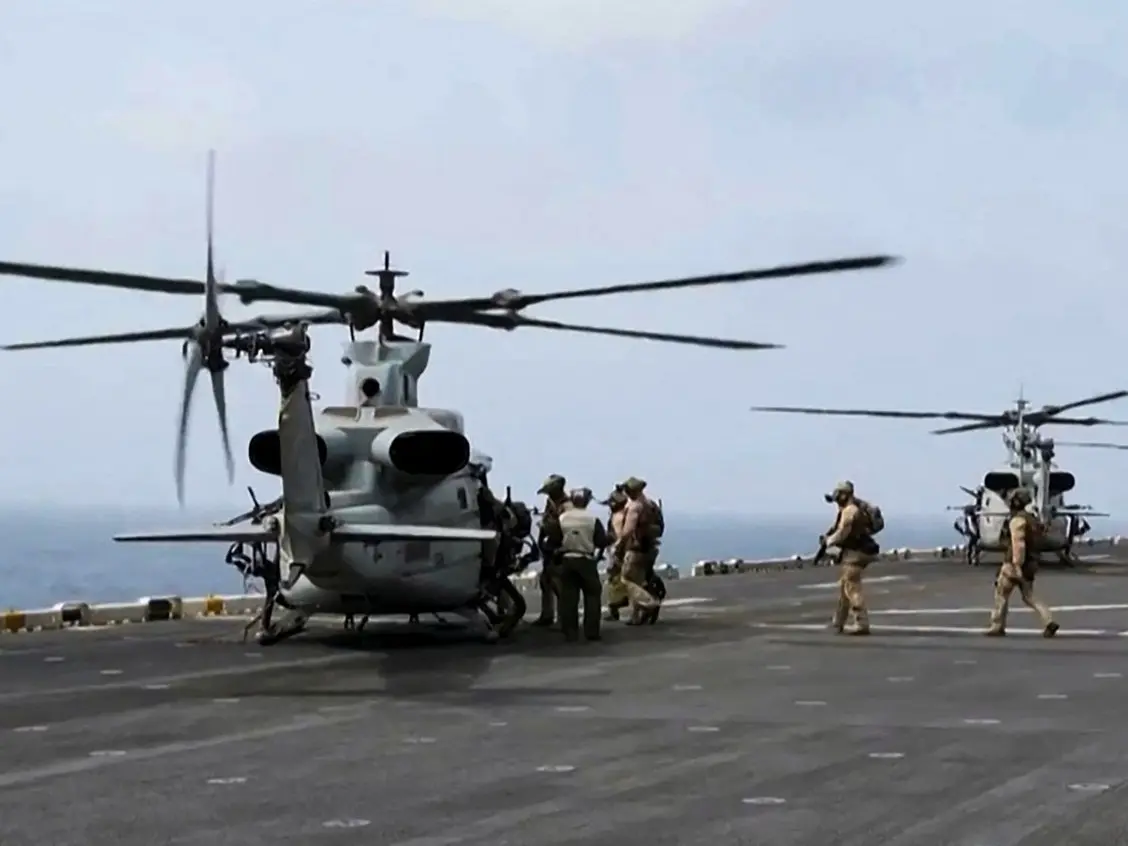
The United States has paused its near-daily airstrikes against Iran for a second consecutive night, as Tehran signals restraint while Houthi militants escalate attacks in the Red Sea region. The lull in hostilities, which began late Friday without official explanation, coincides with diplomatic efforts involving Oman and growing instability in critical maritime chokepoints.
Diplomatic efforts amid military standstill
Iranian military spokesman Mohammad Akraminia stated on Sunday that Tehran had "halted its responses" to US actions, suggesting Washington may be recalibrating its strategy. "The US may have devised other scenarios for the coming days," Akraminia told state television, "but the current situation is not what they desire." The remarks followed 13 days of US strikes that began in late February, though neither government has publicly addressed the pause in operations.
Omani officials met with Iranian counterparts over the weekend to discuss the Strait of Hormuz, the strategic waterway through which one-fifth of global crude oil supplies previously flowed. The talks come as shipping traffic through the strait remains effectively paralyzed, compounding regional energy disruptions. Meanwhile, President Donald Trump indicated the US remains "locked and loaded" for potential major strikes, though he has not yet authorized further action.
Houthi attacks escalate Red Sea instability
Yemen's Iran-backed Houthi militants launched missiles and drones at Saudi Aramco facilities in the port cities of Jizan and Yanbu on Saturday, according to Houthi statements. While Saudi authorities issued brief emergency warnings before declaring the threat neutralized, the attacks mark a significant escalation in the Red Sea conflict. The Saudi-led coalition responded with airstrikes on Houthi military positions later the same day.
The Houthis also announced plans to blockade Saudi ports and claimed responsibility for attacks on three Saudi-linked oil tankers. These developments threaten Saudi Arabia's alternative export routes through the Red Sea, where millions of barrels of oil are currently being redirected. The Bab el-Mandeb strait, another critical maritime chokepoint, has become a secondary flashpoint in the broader regional conflict.
Economic impact and what to watch
Global oil markets have reacted sharply to the escalating tensions, with Brent crude prices surging approximately 27 percent over the past two weeks. The benchmark closed at US$96.78 per barrel on Friday, reflecting concerns about sustained disruptions to Middle Eastern oil flows. Analysts warn that any prolonged closure of Saudi Arabia's Red Sea export routes could push prices even higher.
Observers are closely monitoring several key developments: whether the US-Iran pause in strikes will extend beyond the weekend, the outcome of Omani-mediated talks over the Strait of Hormuz, and the potential for further Houthi attacks on Saudi energy infrastructure. President Trump's next move remains particularly uncertain, as he weighs the risks of a "massive attack" against the broader strategic implications for the region.




.jpg?crop=1080,720,x67.2,y0&trim=0,133,0,67&width=1200)