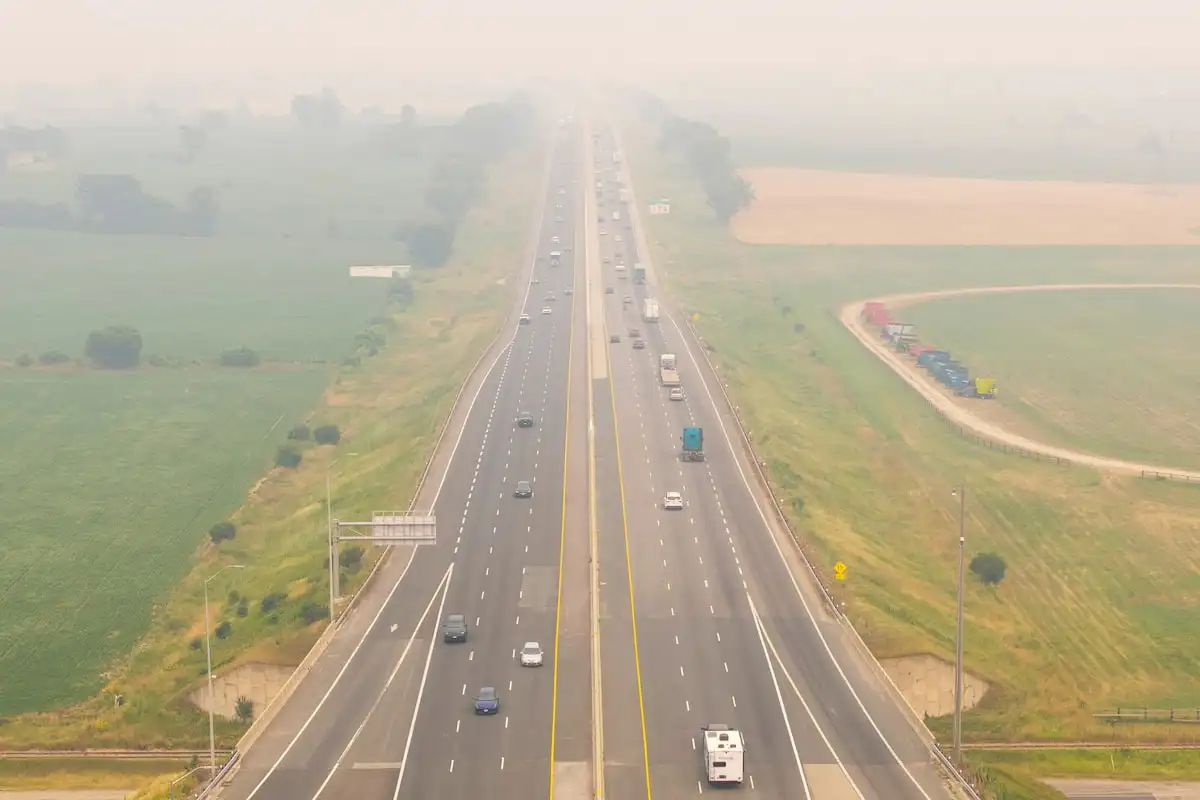
The Canadian military is preparing to evacuate the remote community of Fort Hope in northwestern Ontario as wildfires spread, with 600 residents set to be airlifted to safety. The operation follows days of intensifying blazes that have sent smoke across Canada and into the United States, triggering health warnings.
Evacuations and escalating wildfire threat
Federal Emergencies Minister Eleanor Olszewski announced late Friday that aircraft would be deployed to remove inhabitants from the sparsely populated region, where road access is limited. The decision comes as Ontario grapples with nearly 200 active wildfires, which have already burned more land than all of last year’s fires combined.
Thousands have already fled affected areas to southern Ontario cities, while authorities confirm 69 new fires were reported overnight, bringing Canada’s total to 955. The area scorched so far this season stands at almost 28,500 square kilometres—below the five-year average, though winds have carried smoke southward, prompting U.S. air quality alerts.
Political tensions over wildfire response
Ontario Premier Doug Ford is expected to visit Thunder Bay, a hub for evacuees, alongside Natural Resources Minister Mike Harris. The province has faced criticism over its emergency response, particularly after members of Whitesand First Nation and Collins First Nation—also known as Namaygoosisagagun First Nation—fled without provincial assistance, escaping by boat as fires advanced.
Harris acknowledged that the blaze near Collins First Nation was detected only when it reached the community’s edge due to its rapid spread. Meanwhile, Ford has pledged $650 million for five new helicopters and six water bombers, insisting the province will “spare no expense” to protect residents. Current resources include over 150 fire crews and 80 aircraft battling the flames.
International fallout and climate context
U.S. President Donald Trump blamed Canadian forest management for the cross-border smoke, threatening to add the “incalculable cost” of pollution to existing tariffs on Canadian goods. In response, Olszewski highlighted Canada’s $12 billion investment in forest sustainability and fire prevention since 2020, as the country confronts drier, warmer conditions linked to climate change.
With evacuations ongoing and more communities on alert, officials are urging residents in high-risk areas to prepare for potential orders to leave.