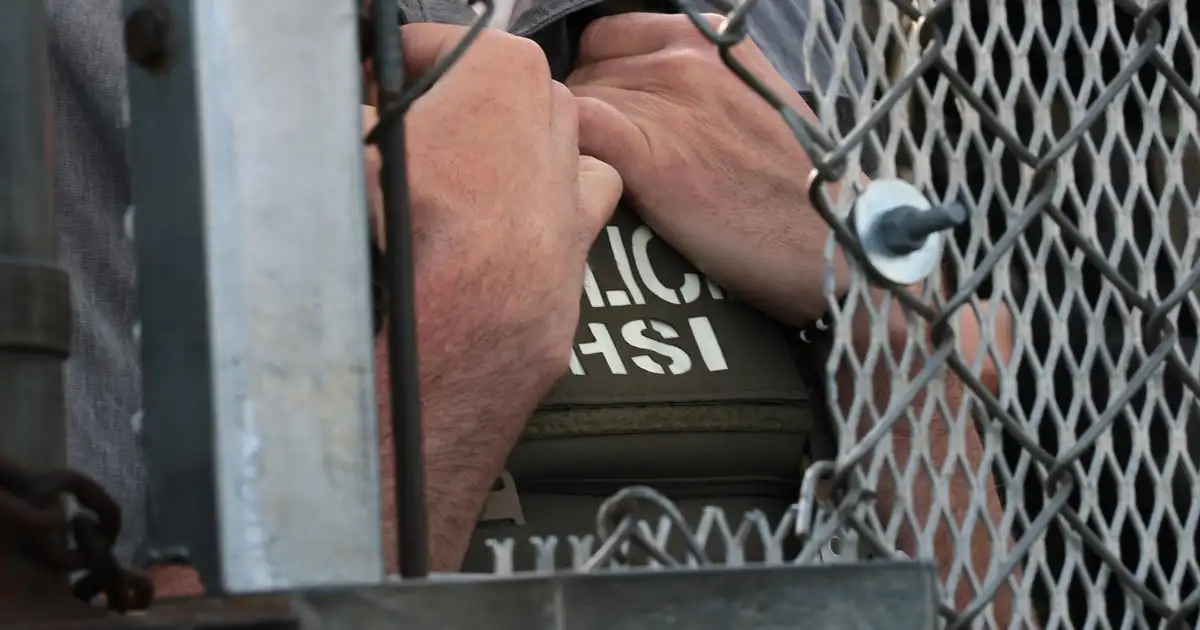
The FBI will no longer investigate alleged assaults on immigration agents, transferring those cases to Homeland Security Investigations (HSI), according to multiple federal law enforcement sources.
The change, communicated to FBI field offices last Thursday, follows two fatal shootings by Immigration and Customs Enforcement (ICE) officers this month. HSI, an ICE division under the Department of Homeland Security, will now handle probes involving its own agents—a move critics say raises conflict-of-interest concerns.
Why the FBI Is Stepping Back
The shift comes after ICE officers killed a Mexican national in Houston on July 7 and a Colombian man in Biddeford, Maine, days later. Both incidents involved longtime U.S. residents, sparking scrutiny of federal enforcement tactics.
Earlier this year, the FBI deployed additional resources to Minnesota to investigate assaults on ICE officers during enforcement operations in Minneapolis. Several cases were later dismissed after prosecutors reviewed evidence, including the fatal encounter between an ICE officer and Renee Good. The Justice Department initially pressured investigators to treat the incident as an assault on a federal officer rather than a civil rights violation, leading to resignations among prosecutors and an FBI agent.
HSI’s Role in Officer-Involved Shootings
HSI typically focuses on transnational crime, not officer-involved shootings. The agency lacks dedicated units for ballistics analysis, forensic processing, or large-scale witness interviews—key components of such investigations. When HSI was initially tasked with leading the probe into the January killing of Alex Pretti in Minneapolis, the decision drew pushback from current and former federal officials. The FBI and Justice Department’s Civil Rights Division later took over, though that investigation remains open.
The Department of Homeland Security denied any policy change in a Sunday social media post, contradicting the accounts from law enforcement sources. The agency has not provided further clarification.
What Happens Next
Watch for potential legal challenges or congressional inquiries into the policy shift. The move could also reignite debates over federal oversight of immigration enforcement, particularly in cases involving use of force. No timeline has been given for when the new protocol will take full effect.