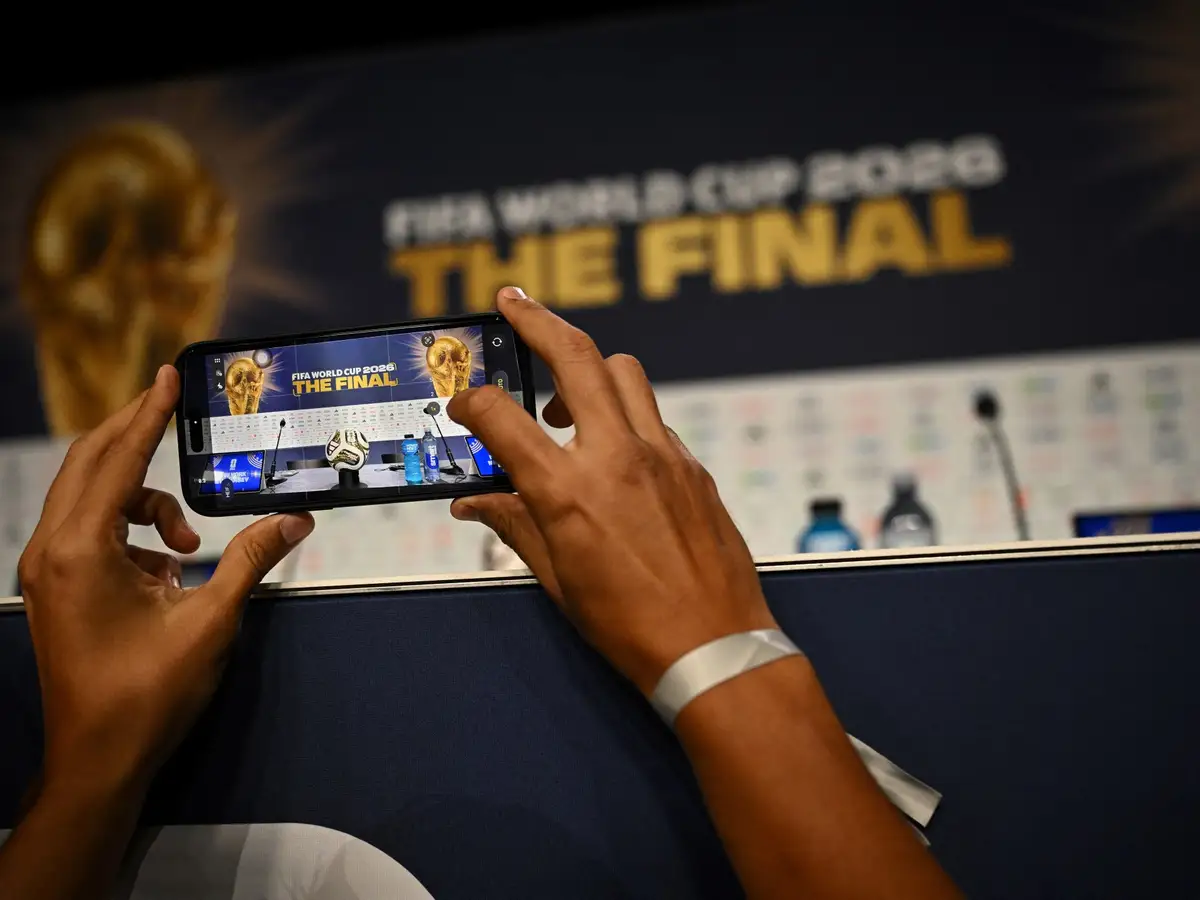
Tickets for the World Cup final at New York New Jersey Stadium have reached as high as $2.3 million on FIFA’s official resale platform, as demand surges for Sunday’s clash between Argentina and Spain.
For context, the match—billed as the most expensive sporting event ever held in the U.S.—features Lionel Messi’s likely final World Cup appearance against Spain’s teenage sensation Lamine Yamal. Less than 24 hours before kickoff, FIFA’s platform listed seats ranging from under $10,000 to the record-breaking $2.3 million mark, though no last-minute tickets were available by Saturday.
Record demand defies early skepticism
Concerns over visa restrictions and domestic unrest in the U.S. initially cast doubt on fan turnout, but FIFA’s pricing strategy proved highly effective. More than half of the 72 group-stage matches sold out, with 99.7% of seats filled overall, according to FIFA attendance data. Early empty seats at matches like South Korea vs. Czechia faded as the tournament’s expanded 48-team format drove unprecedented interest.
Initial group-stage tickets started at $575—double the 2022 World Cup’s top price—but FIFA’s dynamic pricing system pushed costs far higher. Hundreds of final tickets remained available at $7,000+ midweek, a tactic experts attribute to “slow ticketing,” where organizers restrict inventory to stoke demand.
Dynamic pricing and resale market fuel costs
FIFA’s first-ever dynamic pricing model allowed real-time adjustments based on demand, though its opacity frustrated fans. “No one really knows how this works,” said Columbia University’s Adam Elmachtoub, noting that transparency could ease backlash. In response to criticism, FIFA introduced some lower-cost tickets, while U.S. resale rules—unlike Mexico’s price caps—enabled sellers to set premium rates.
On SeatGeek, the average final ticket price exceeded $11,000 as of Friday, surpassing the 2024 Super Bowl by 8%. “Demand fluctuates with every round,” said SeatGeek’s Chris Leyden, citing sustained interest from the group stage onward.
Accessibility concerns persist
Despite FIFA President Gianni Infantino’s promise of an “inclusive” tournament, human rights groups noted barriers for many fans. Visa issues and high costs limited access, particularly for supporters from countries requiring U.S. entry approvals. “It’s been a World Cup for a happy few,” said Ronan Evain of Football Supporters Europe, highlighting the disparity between wealthy travelers and others priced out.



