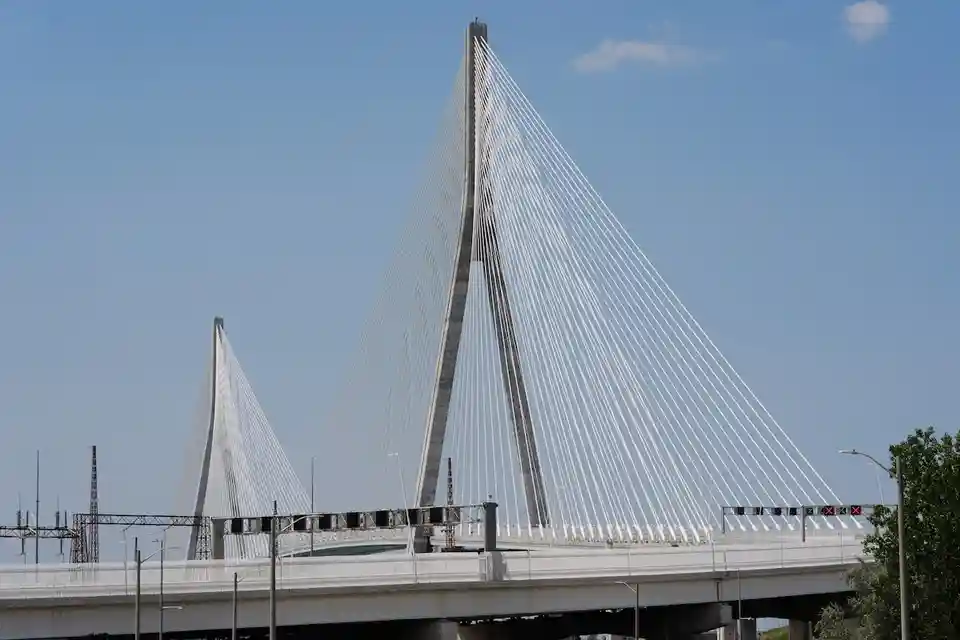
The Gordie Howe International Bridge, a $6.4 billion span connecting Detroit and Windsor, Ontario, opened to motorists today after months of delays and diplomatic friction between the U.S. and Canada.
Years of Construction and Cross-Border Disputes
The six-lane bridge, named after Canadian hockey legend Gordie Howe, began construction in 2018 but faced setbacks, including pandemic-related slowdowns. More recently, political tensions emerged over financial terms and trade policies.
In February, U.S. President Donald Trump claimed the project contained "virtually no American content" and demanded compensation before allowing the bridge to open. Canada later agreed to revenue-sharing adjustments to resolve the dispute.
A joint U.S.-Canada opening ceremony was canceled last week after Washington threatened new tariffs on Canadian goods, citing provincial bans on U.S. alcohol, dairy protections, and automotive quotas.
Why the Bridge Matters for Trade and Travel
The Gordie Howe Bridge is expected to become a critical artery for commerce, jobs, and tourism between the two countries. More than 70% of Canada’s exports flow to the U.S., and for nearly a century, the privately owned Ambassador Bridge has been the sole major commercial crossing at Detroit.
Businesses anticipate the new bridge will offer faster, more cost-effective transit than the aging Ambassador Bridge, which currently handles the bulk of truck traffic. The six-lane design is intended to reduce congestion and improve efficiency for cross-border shipments.
What Comes Next for the Bridge and U.S.-Canada Relations
While the bridge is now operational, lingering trade disputes could affect future cooperation. American officials have framed the new tariffs as a response to Canadian trade barriers, while Canadian leaders have emphasized the bridge’s role in strengthening economic ties.
Observers will watch for any shifts in U.S. trade policy under the current administration, particularly regarding automotive quotas and agricultural tariffs. The bridge’s long-term impact on regional trade and infrastructure will also be closely monitored in the coming months.