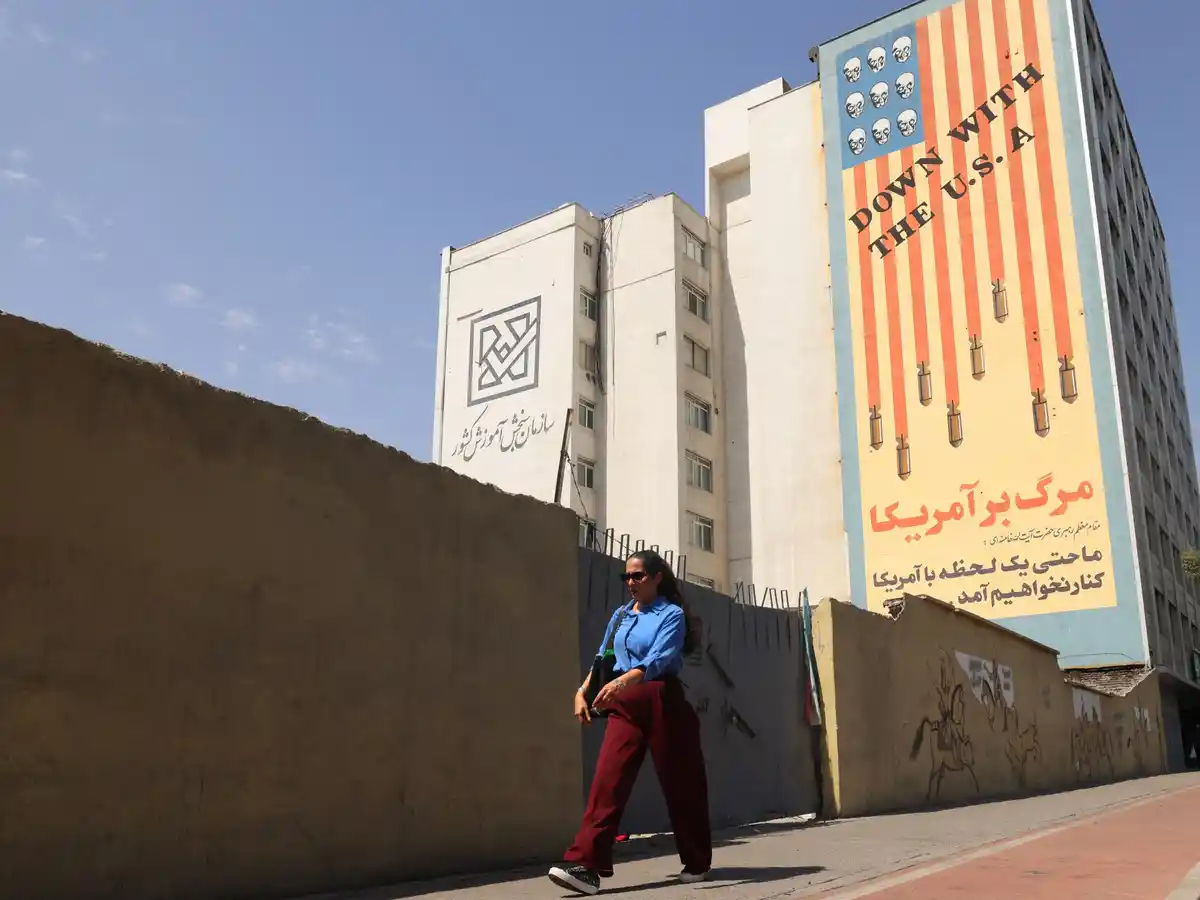
Iran launched drones and missiles at Kuwait and Bahrain on Sunday, setting a power and water plant ablaze in Kuwait as hostilities with the U.S. entered an eighth consecutive night.
The strikes targeted U.S. military sites in both countries, including an ammunition depot at Camp al-Adiri and air defense radars at Ali Al Salem airbase in Kuwait. Bahrain reported intercepting multiple waves of attacks, calling them "treacherous." Kuwait condemned the assault as "heinous Iranian aggression."
Strait of Hormuz Disruptions and U.S. Retaliation
Iran also claimed it blocked two ships in the Strait of Hormuz for using an "unsafe route," citing an unspecified accident. The waterway remains a flashpoint after a U.S.-Iran memorandum last month extended a ceasefire and agreed to gradually reopen it.
The U.S. conducted overnight strikes on Iran’s Hormozgan and Khuzestan provinces, as well as Qeshm Island, in retaliation for earlier attacks that killed two U.S. service members in Jordan. Washington said the strikes aimed to "punish" Iran’s Revolutionary Guard and degrade its ability to threaten commercial shipping.
Broader Regional Impact
Israel’s military reported an Iranian missile fired toward Jordan’s Aqaba, intercepted by Israeli and Jordanian forces. Iran’s nuclear agency later accused the U.S. of attacking an under-construction nuclear plant, calling it a breach of international law.
Georgetown University professor Paul Musgrave noted Iran’s "upper hand" in commitment, framing the conflict as existential for Tehran, while the U.S. and Israel view it as a policy dispute.


