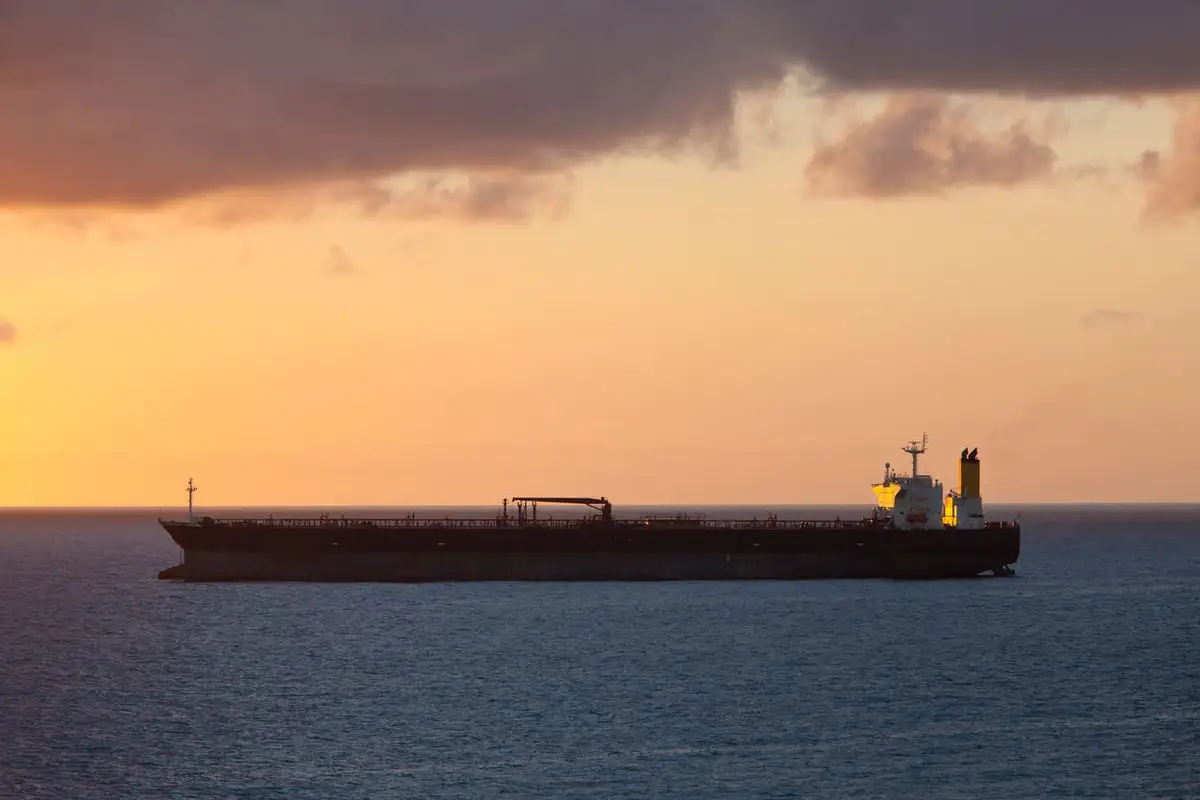
Oil prices exceeded $90 a barrel for the first time in nearly six weeks as fresh hostilities between the United States and Iran intensified, eroding investor hopes for a de-escalation.
US Airstrikes Fuel Oil Price Volatility
The United States conducted a new series of airstrikes targeting Iran early Monday, striking military installations, air defence sites, and communication networks. This action followed the announcement of a US service member's death in Iraq on Saturday.
The price of Brent crude oil responded swiftly, climbing approximately 1.5% to surpass the $90 per barrel mark. This marks the first time the commodity has reached this level since early June, reflecting increased instability in global energy markets.
Regional Conflict Disrupts Shipping
The escalating conflict has led to significant disruptions in crucial shipping lanes. Shipping traffic, including oil tankers, in the Strait of Hormuz has reportedly stalled amid the latest attacks. This bottleneck exacerbates concerns over international oil supply.
Further complicating the situation, Iran has allegedly called on Houthi rebels in Yemen to potentially close the Bab el-Mandeb Strait in the Red Sea should US attacks target Iranian power infrastructure. This threat highlights the growing risk of wider regional instability affecting energy flows.
Analyst Warns of Wider Escalation
Susannah Streeter, chief investment strategist for Wealth Club, noted the rapid ascent of Brent crude, stating, "Brent crude has set off on a hot streak, trading around 90 US dollars a barrel as military action has intensified between the US and Iran." She added that prices have risen 30% from earlier lows in the month.
Streeter also indicated that recent attacks have expanded beyond purely military targets, with infrastructure such as bridges, utilities, and port facilities reportedly coming under fire. She warned of a potential "countdown to an even wider escalation," citing President Trump's vow to increase attacks on Iranian infrastructure. The analyst suggested that further retaliation could ensnare the region in a more complex situation, making long-term stability an increasingly distant prospect.
While current oil prices remain below the peak of approximately $120 a barrel seen in April, the upward trend since early July aligns with the recent surge in Middle East hostilities and the breakdown of a fragile interim ceasefire between the US and Iran. The situation underscores the delicate balance of the global energy market and its susceptibility to geopolitical events.