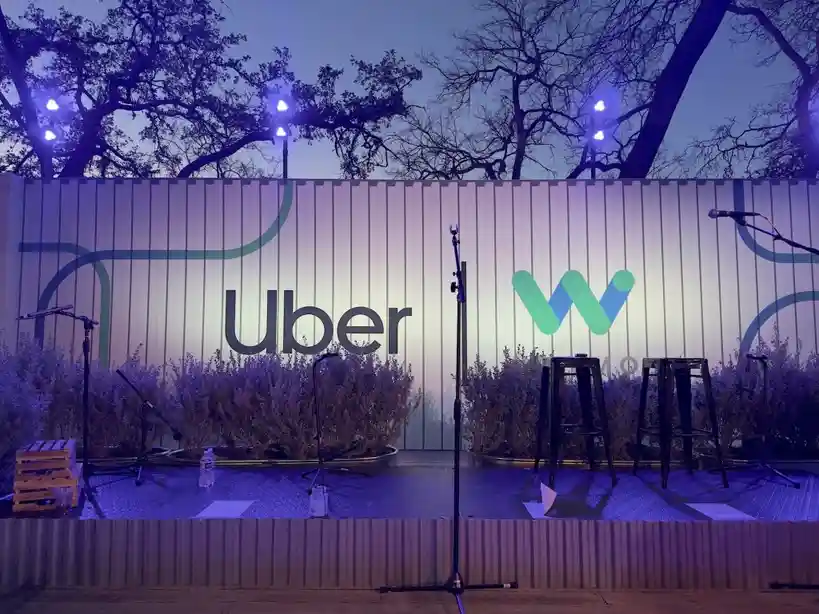
Uber and Waymo are locked in a public and behind-the-scenes battle over Washington, D.C.’s proposed autonomous vehicle policy, with Uber opposing the bill and accusing it of handing Waymo a de facto monopoly.
Opposing Stances on DC’s Robotaxi Rules
Uber has lobbied for a “hybrid” system requiring robotaxis to operate alongside human drivers on ride-hailing networks. Sources suggest the proposal has little chance of passing. If enacted, it would force AV developers like Waymo to either integrate with Uber’s platform or employ human drivers alongside their fleets.
A D.C. Council hearing on Monday featured testimony from Lyft, Tesla, Uber, and Waymo, alongside disability rights groups, labor unions, and safety organizations. Waymo is among the few companies supporting the bill, while Tesla and others object to its strict requirements.
Controversial Bill Requirements
Critics of the proposed legislation highlight several contentious provisions:
- 180-day, 250,000-mile mandatory testing requirement
- $1 million application fee and $5 million permit fee
- $0.15-per-mile tax on autonomous vehicle operations
Industry Moves and Market Shifts
Uber is solidifying its dominance in ride-hailing and delivery with a $14.8 billion deal to acquire Germany’s Delivery Hero, doubling its global delivery footprint. Meanwhile, Waymo’s robotaxis faced scrutiny in San Francisco after blocking streets during July 4 traffic, prompting the mayor to call for stricter AV regulations.
Other developments include Lucid Motors denying bankruptcy rumors, SpaceX aborting a Starship launch, and Zoox recalling software after a robotaxi malfunction. The debate over robotaxi rules and autonomous vehicle policy continues to evolve as companies and regulators navigate the future of transportation.


