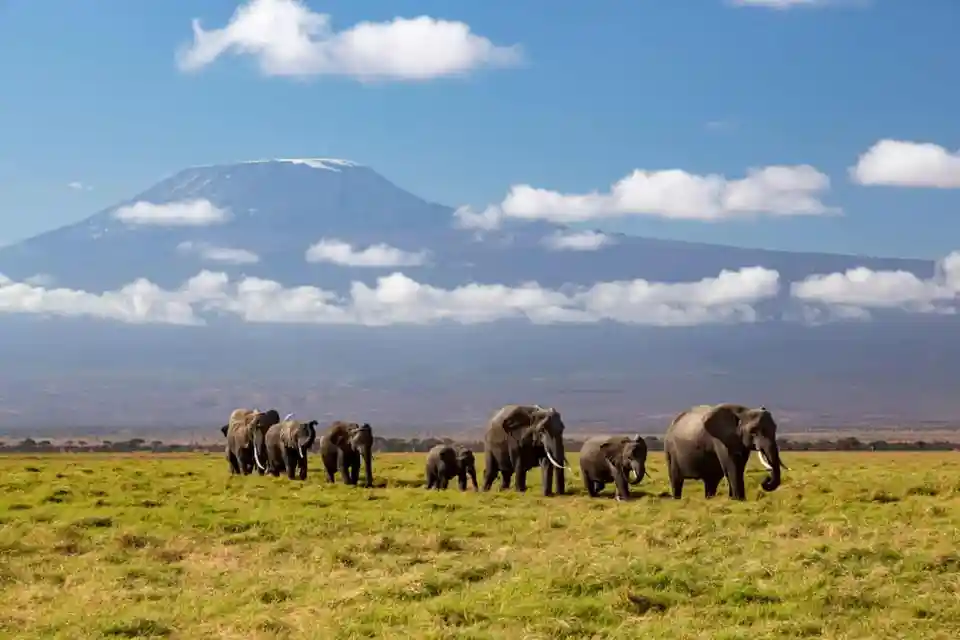
Kenyan authorities are investigating the unexplained deaths of 15 elephants in and around Amboseli National Park over the past month. The Kenya Wildlife Service (KWS) confirmed that a significant portion of the deceased animals exhibited signs of partial paralysis before their deaths.
Amboseli Elephant Deaths Under Scrutiny
The Kenya Wildlife Service is actively probing the circumstances surrounding the demise of 15 elephants in the Amboseli ecosystem. This alarming mortality rate has prompted an urgent investigation by wildlife officials in the region. The incident is particularly concerning given Amboseli's global recognition for its substantial elephant populations.
Initial Findings and Ongoing Tests
Of the 15 elephants, KWS reported that 10 showed visible signs of partial paralysis, succumbing within two days of exhibiting symptoms. The remaining five elephant carcasses were too decomposed or had been scavenged, hindering efforts to determine a precise cause of death. Preliminary tests conducted by a University of Nairobi laboratory detected a "potential toxic substance" in samples, though subsequent analyses by a government laboratory yielded negative results for the specific toxins tested. Further comprehensive testing is underway.
Geographic and Demographic Impact
The majority of the affected elephants were female and their young calves, with only one male among the deceased. These fatalities occurred within the Kimana sanctuary and Kuku ranch areas, which are adjacent to Amboseli National Park. This clustering suggests a localized cause for the deaths.
Environmental and Human Safety Concerns
In addition to biological sample analysis, environmental investigations are being conducted. Officials are examining water sources and other potential environmental contaminants within the affected areas to ascertain if the elephants were exposed to a common source. The KWS has moved to reassure the public, stating there is currently no evidence to suggest the condition is transmissible to humans. Historically, Kenya has faced challenges with elephants poisoned due to poaching and human-wildlife conflict, though the KWS has not yet attributed these deaths to such causes.
Amboseli National Park, situated in southern Kenya, is renowned for its vast savannah landscapes and is home to an estimated 2,000 elephants. The iconic Mount Kilimanjaro is visible across the border in Tanzania from the park.