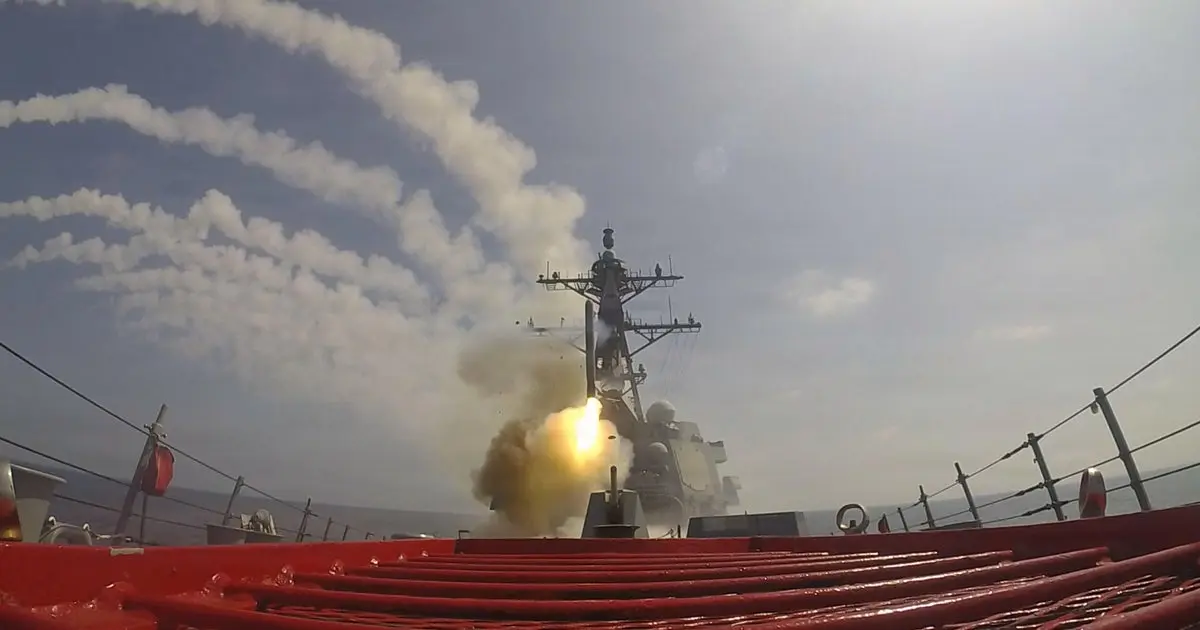
The US and Saudi Arabia conducted joint airstrikes on Iran-backed groups in eastern Iraq late Tuesday, targeting weapons and logistics sites after 30 attempted drone attacks on American forces and Saudi energy infrastructure in the past three days.
Strikes follow surge in drone attacks
US Central Command (CENTCOM) confirmed the operation, stating the strikes were in response to "unsuccessful" drone attacks on US assets and Saudi petroleum facilities. Saudi Arabia said it intercepted drones launched from Iraq, including those aimed at Riyadh and the kingdom’s eastern oil hubs. Neither country named specific groups, but Iran supports multiple Shiite militias in Iraq, including Kata’ib Hezbollah, a US-designated terrorist organisation.
At least 10 members of the Popular Mobilisation Forces (PMF), an Iran-aligned paramilitary alliance, were killed, according to sources cited by AFP. CENTCOM alleged the attacks were directed by Iran’s Islamic Revolutionary Guard Corps (IRGC), warning: "The IRGC and its terrorist proxies must cease these attacks to avoid further US military response."
Diplomacy hangs in balance as attacks persist
The strikes mark a potential setback to a five-day pause in US attacks on Iran, which President Trump said was intended to "give diplomacy a chance." Earlier Tuesday, CENTCOM reported intercepting Iranian ballistic missiles targeting US forces in the region, calling it an "attempted surprise attack."
Trump expressed optimism about potential talks with Iran, stating the two countries had held "very good talks," but added the US would "finish the job" if no deal materialises. Iran has denied seeking direct negotiations, with key disputes remaining over uranium enrichment and control of the Strait of Hormuz. Meanwhile, Houthi rebels in Yemen—another Iran-backed group—have targeted Saudi tankers in the Red Sea, compounding regional tensions.
What happens next
Analysts warn the latest strikes could reignite broader conflict, particularly if Iran or its proxies retaliate. Observers will watch for further US military responses, Iranian countermeasures, and whether diplomatic channels reopen—or collapse entirely.