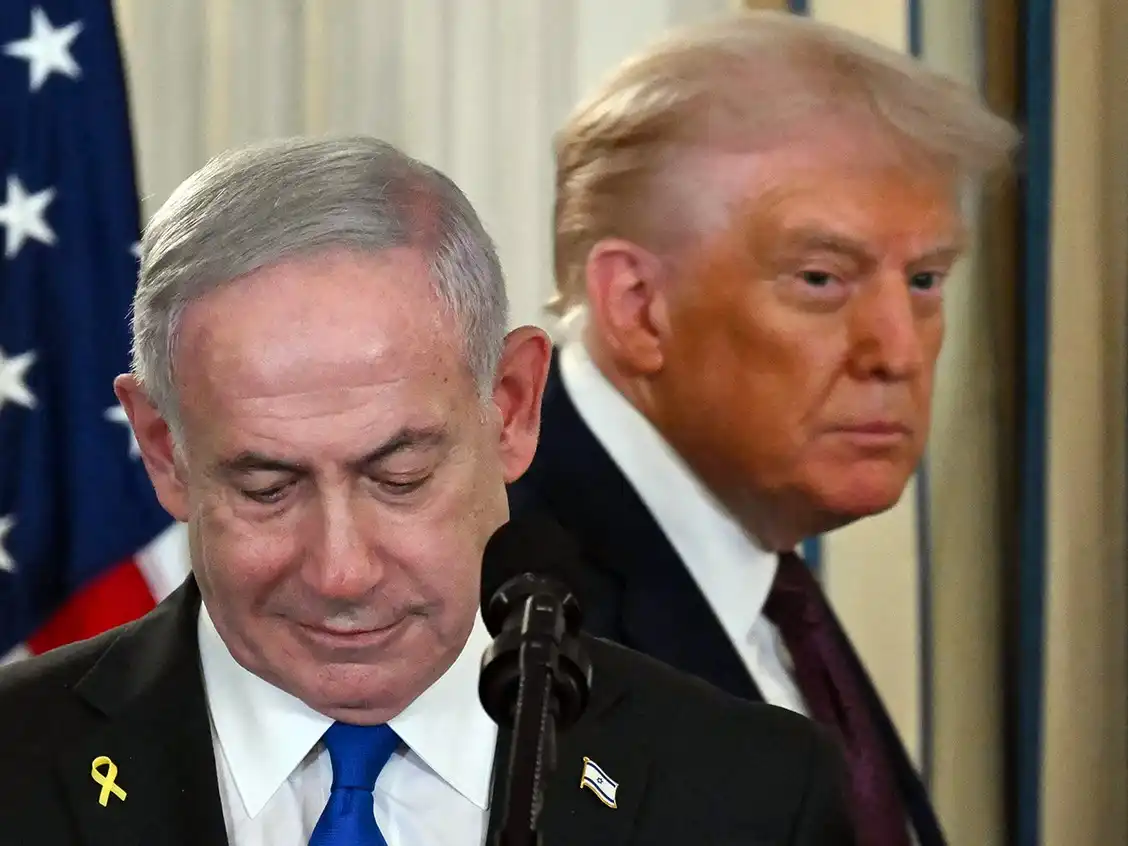
Israeli Prime Minister Benjamin Netanyahu will meet U.S. President Donald Trump at the White House on Tuesday, marking their first in-person discussions since the start of the Iran war in late February. The meeting comes amid public disagreements between the two leaders over the conflict, which has tested their alliance.
Key Issues on the Agenda
According to statements from both governments, the talks will focus primarily on the ongoing war with Iran, which began after U.S.-Israeli strikes in February. While Israel has not participated in recent hostilities following an April ceasefire collapse, the conflict remains a critical point of discussion.
Netanyahu emphasized the stakes ahead of his departure from Israel on Monday. "This is a great privilege, but it is also a great responsibility," he said. "We will discuss all the issues on the agenda, first and foremost Iran. Naturally, our goal is to safeguard our security and also to expand the circle of peace around us."
Strained Relations and Public Disagreements
The meeting will be the eighth between the leaders since Trump’s return to office last year. Relations between Netanyahu and Trump reached a low point in April during ceasefire negotiations, with Trump reportedly unleashing profanity-laced tirades against his Israeli counterpart. In a subsequent interview, Trump described Netanyahu as a "very difficult guy."
Netanyahu downplayed the tensions, characterizing them as "tactical disagreements" while asserting alignment on the broader goals of the war. The leaders have sought to ease public friction in recent weeks, though underlying differences remain.
Regional Security and Next Steps
Beyond the Iran conflict, the White House meeting is expected to address the implementation of a U.S.-sponsored framework deal signed by Israel and Lebanon last month. Challenges in applying the agreement on the ground have complicated efforts to stabilize the region.
Observers will watch for signals of renewed cooperation between the U.S. and Israel, particularly as both nations navigate the war’s evolving dynamics. The outcome of Tuesday’s discussions could shape the trajectory of the conflict and broader Middle East security efforts.