Pennsylvania regulators have approved a permit allowing oil and gas wastewater—containing radioactive radium—to be sold as a commercial road treatment product. The May 2026 decision by the Department of Environmental Protection (DEP) could reintroduce the controversial practice despite a 2018 statewide ban on spreading brine on roads.
The wastewater, called "produced water" or brine, is a byproduct of oil and gas extraction. It’s up to 10 times saltier than seawater and contains radium, a known carcinogen, along with heavy metals like lead. For decades, operators provided the brine to townships for free to suppress dust and melt ice—until the DEP halted the practice over safety concerns.
What’s in Pennsylvania’s Oil and Gas Wastewater?
Brine from both conventional and fracked wells contains high levels of sodium, chloride, and radium. Testing by Penn State researchers found radium levels averaging 2,000 picocuries per liter in conventional brine—400 times higher than the EPA’s drinking water limit of 5 picocuries per liter. The wastewater also includes petroleum hydrocarbons and other contaminants.
When spread on roads, these pollutants wash into streams, corrode infrastructure, and may contaminate drinking water wells. Radium can also dry on road surfaces, becoming airborne dust or accumulating in fish consumed by humans.
Does Brine Actually Work as a Road Treatment?
No. Studies by Penn State environmental engineers William Burgos and Nathaniel Warner found oil and gas brine is no more effective than rainwater at suppressing dust. In some cases, it increased dust generation. After rain, most contaminants—including radium—washed off treated roads entirely, while the brine itself accelerated road degradation compared to commercial alternatives like calcium chloride.
- Brine failed to reduce dust in lab tests
- Contaminants washed off roads after rain
- Roads treated with brine degraded faster than those treated with water
What Does the New DEP Permit Change?
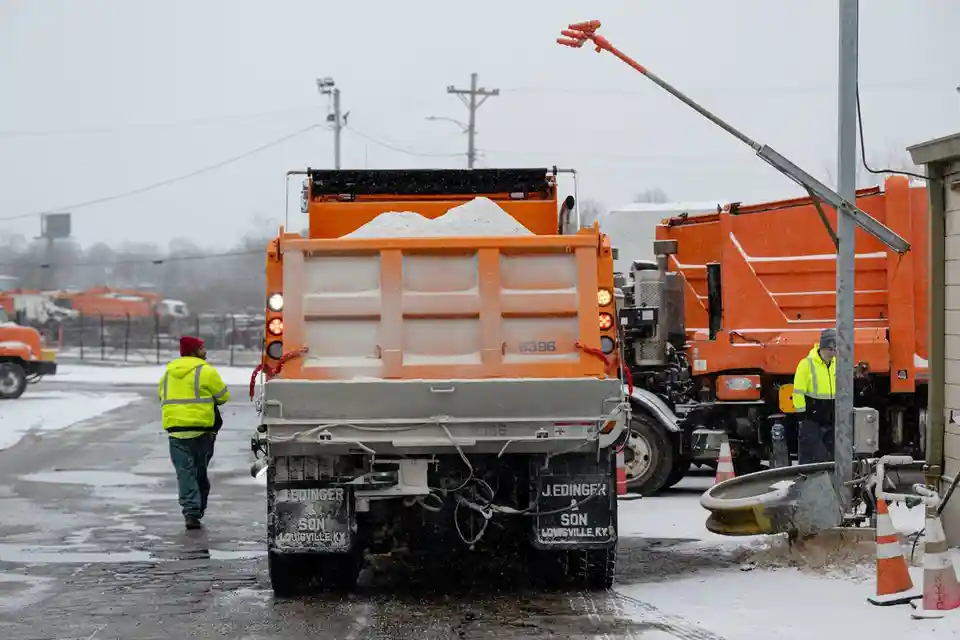
The May 2026 permit allows a well operator to sell brine as a commercial product, bypassing the 2018 moratorium. Buyers—such as road maintenance or snow removal companies—won’t be required to disclose the product’s origin or test its effectiveness. Critics argue the permit lacks safeguards to prevent radium exposure or ensure the brine works as advertised.
Legislative efforts to ban road-spreading entirely are underway. House Bill 84, which would prohibit the practice, passed committee in June 2026 but awaits a full House vote. No timeline has been set for further action.