A decorated RCMP officer’s ashes vanished after his death in 1988, sparking a decades-long mystery, while Canadian doctors weigh the ethics of retrieving organs from living patients undergoing medically assisted death (MAID). Meanwhile, Prime Minister Mark Carney faces scrutiny over a U.S. trade deal that omits key debt-servicing protections he previously claimed were included.
Decades-old mystery: The case of the missing Mountie ashes
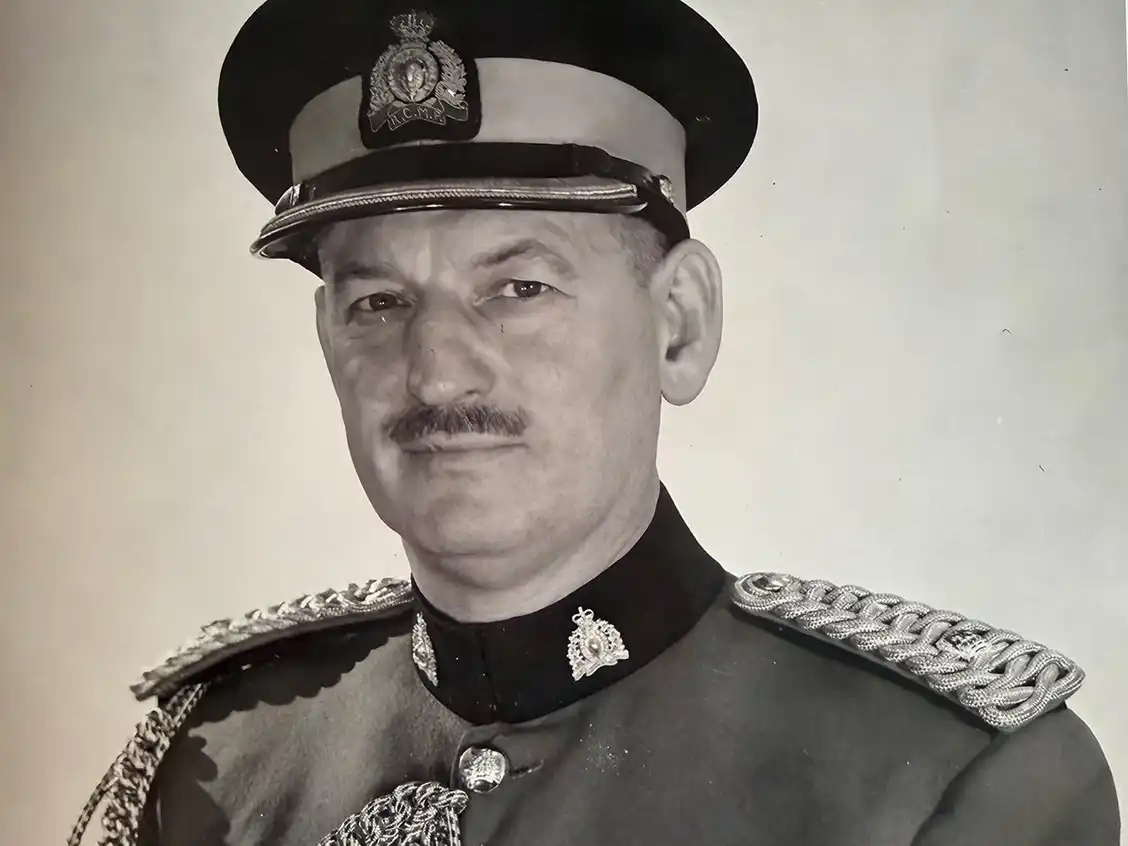
Supt. Joe Atherton, a devoted husband and uncle, was a dedicated member of the Royal Canadian Mounted Police (RCMP) until his death in 1988. After his passing, two men took possession of his ashes—only for them to disappear without explanation. The incident, which has remained unresolved for over 35 years, resurfaces as part of a broader examination of unresolved cases within Canada’s national police force.
Ethical debate: Should organs be retrieved from living MAID patients?
Medical professionals in Canada are considering whether to retrieve organs from patients undergoing medically assisted death (MAID) before they die, a practice that could improve the quality of donor organs but risks undermining public trust. Critics argue the proposal blurs ethical boundaries, while proponents say it could address critical organ shortages. The debate highlights tensions between medical innovation and safeguarding the integrity of Canada’s MAID program.
Carney’s U.S. trade deal under fire for missing debt protections
Prime Minister Mark Carney’s recent agreement with the U.S. has come under scrutiny after it emerged that the deal lacks a provision allowing Canada to account for debt-servicing costs before splitting revenue—a key protection Carney had previously assured was included. The omission has fueled criticism from opposition parties and economists, who warn it could leave Canada financially exposed in future negotiations.
Residential school denialism: Legal risks and free speech concerns
British Columbia lawyer Jim Heller found himself in a legal battle with the province’s law society after requesting that it refer to residential school anomalies as “potential” graves. Columnist Michael Higgins warns that if “denialism” of residential schools is criminalized, those questioning official narratives could face legal repercussions. The case underscores the delicate balance between historical accountability and freedom of expression in Canada.
As these stories develop, Canadians are urged to follow updates on the RCMP ashes investigation, the evolving MAID organ donation debate, and the political fallout from Carney’s trade deal. For ongoing coverage, readers can register for free updates or sign in to save articles for later.