Thea Energy, a fusion power startup, has received a $20 million federal grant from the U.S. Department of Energy’s ARPA-E program to manufacture high-temperature superconducting (HTS) magnets for its reactor design.
For context: Fusion power aims to replicate the process that powers the sun, where atomic nuclei fuse to release energy. Magnetic confinement reactors—one of two primary approaches—use powerful magnets to contain and compress plasma, heating it until fusion occurs. Thea’s design, known as a stellarator, relies on precisely shaped magnetic fields to improve plasma stability.
Why superconducting magnets matter for fusion
The $20 million award will support the production of Thea’s modular HTS magnets, a critical but costly component in magnetic confinement reactors. These magnets generate the intense fields needed to control plasma, which can reach temperatures exceeding 100 million degrees Celsius.
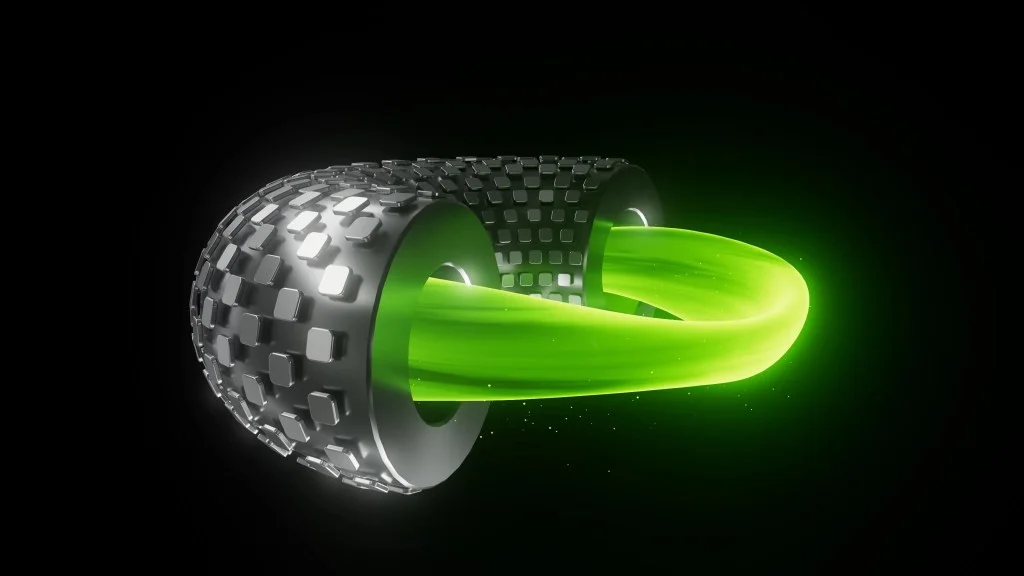
Stellarators traditionally require complex, custom-built magnets to match their twisted reactor shapes, driving up manufacturing expenses. Thea’s approach simplifies this by using just four templates for its 12 large magnets and identical designs for over 300 smaller ones. Software controls the smaller magnets, allowing for more flexible construction and potentially lower costs.
Funding and timeline for commercial fusion
The grant adds to Thea’s growing financial backing, which includes a $100 million funding round in May and a $20 million Series A in 2024. The company is among the most well-funded fusion startups, with plans to build a commercial-scale power plant by the mid-2040s.
While fusion energy remains decades from widespread deployment, advances in magnet technology and funding could accelerate progress. Thea’s modular design and federal support position it as a key player in the race to make fusion a viable clean energy source.
What to watch for next
Investors and industry observers will monitor Thea’s progress in scaling its magnet manufacturing and integrating the technology into its stellarator prototype. Further funding rounds or partnerships could signal confidence in its timeline for commercialization.