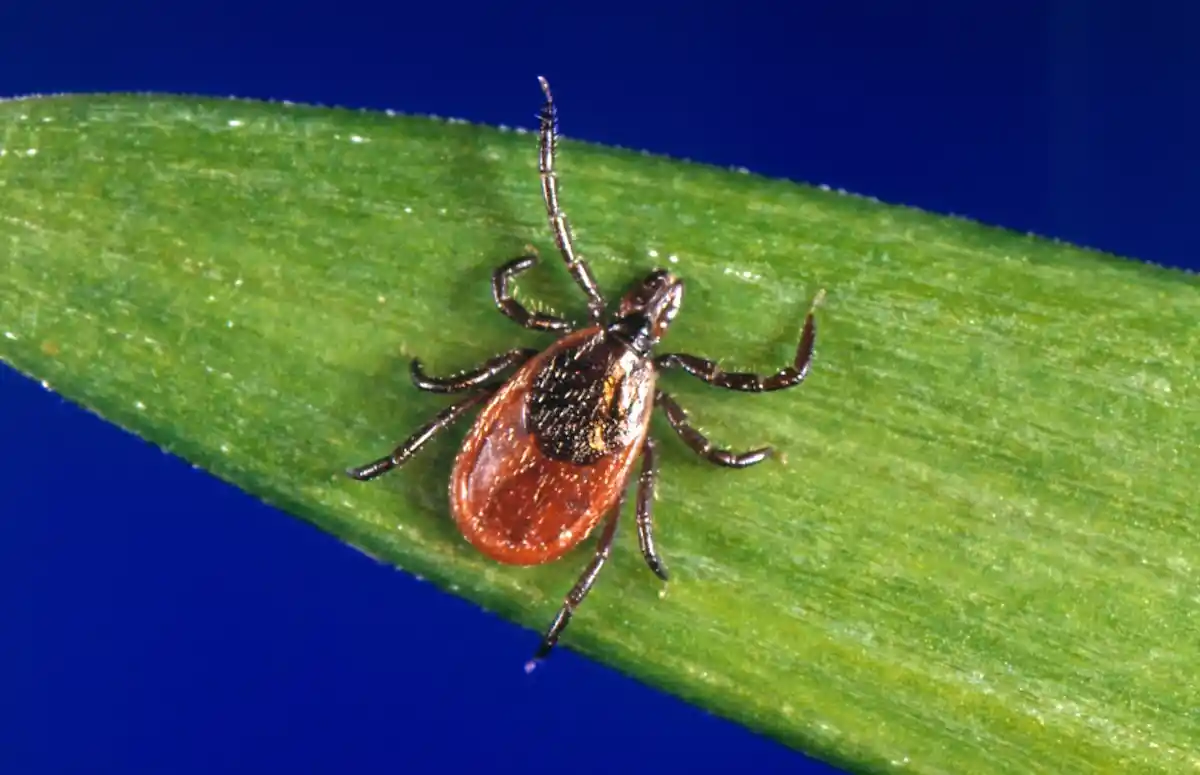
Canada is experiencing one of its worst tick seasons on record, with over 7,100 Lyme disease cases reported last year and rising threats like anaplasmosis. Experts warn warmer winters and migrating birds are fueling the surge, making prevention and early detection critical.
Why Tick Numbers Are Exploding in 2024
Climate change is the primary driver behind Canada’s booming tick population. The country is warming faster than the global average, creating ideal conditions for ticks to survive longer winters and expand their range. A key threshold for tick survival is the number of days with above-zero temperatures—now increasingly common.
Migrating birds are also importing millions of ticks annually. Studies estimate northward-migrating birds carry between 50-175 million blacklegged ticks into Canada each spring. Once dropped, these ticks establish new populations, with females capable of laying up to 3,000 eggs at once.
How to Identify and Remove Ticks Safely
Ticks are small, oval-shaped, and have eight legs (except in their youngest stage). They crawl slowly and attach firmly to skin while feeding. Common lookalikes include lady beetles, ants, and weevils—none of which pose the same health risks.
- Use tweezers or a tick removal tool to grasp the tick’s head as close to the skin as possible.
- Avoid squeezing the body, as this can force pathogens into the bite.
- Do not use kerosene, nail polish, or fire—these methods increase infection risk.
- Save the tick in a sealed container for testing if symptoms develop.
Ticks must be removed within 48 hours to reduce Lyme disease risk. Blacklegged ticks in Southern and Eastern Canada, and western blacklegged ticks in the West, are the primary carriers of Borrelia burgdorferi, the bacteria causing Lyme.
Symptoms and Risks Beyond Lyme Disease
Tick bites often go unnoticed, as they’re painless and non-itchy. A bullseye rash is a classic Lyme symptom, but not everyone develops one. Other tick-borne illnesses include:
- Anaplasmosis: Caused by Anaplasma phagocytophilum, it can lead to severe complications like organ failure. In Ontario, 21% of cases required hospitalization between 2023-2025, with four deaths reported.
- Alpha-gal syndrome: A tick bite can trigger an allergy to red meat, caused by a sugar in tick saliva. Lone star ticks are the most common culprit, though blacklegged ticks can also cause it.
Testing for Lyme and other tick-borne diseases is available through Canada’s public healthcare system. Private labs in the U.S. and Europe offer additional options, though results may not be accepted by all Canadian providers.
Prevention Tips for High-Risk Areas
Ticks thrive in wooded and grassy areas, but simple precautions can reduce exposure:
- Stay on trails and avoid brushing against vegetation.
- Use insect repellent containing DEET or icaridin.
- Perform full-body tick checks after outdoor activities.
- Treat clothing with permethrin for added protection.
For homeowners in tick-heavy regions like Nova Scotia, landscaping measures—such as aromatic mulches or deer-resistant plants—can help deter ticks. Pest control companies can also recommend both synthetic and natural repellent options.
Is a Human Lyme Vaccine on the Horizon?
A Lyme vaccine for humans once existed but was pulled in 2002 amid anti-vaccine sentiment and lawsuits. The original vaccine targeted a protein similar to human proteins, raising autoimmune concerns. Newer vaccines in development avoid this issue by removing overlapping protein segments.
With tick-borne diseases rising, pharmaceutical companies are revisiting Lyme vaccines. For now, prevention and early treatment remain the best defenses against Canada’s growing tick threat.