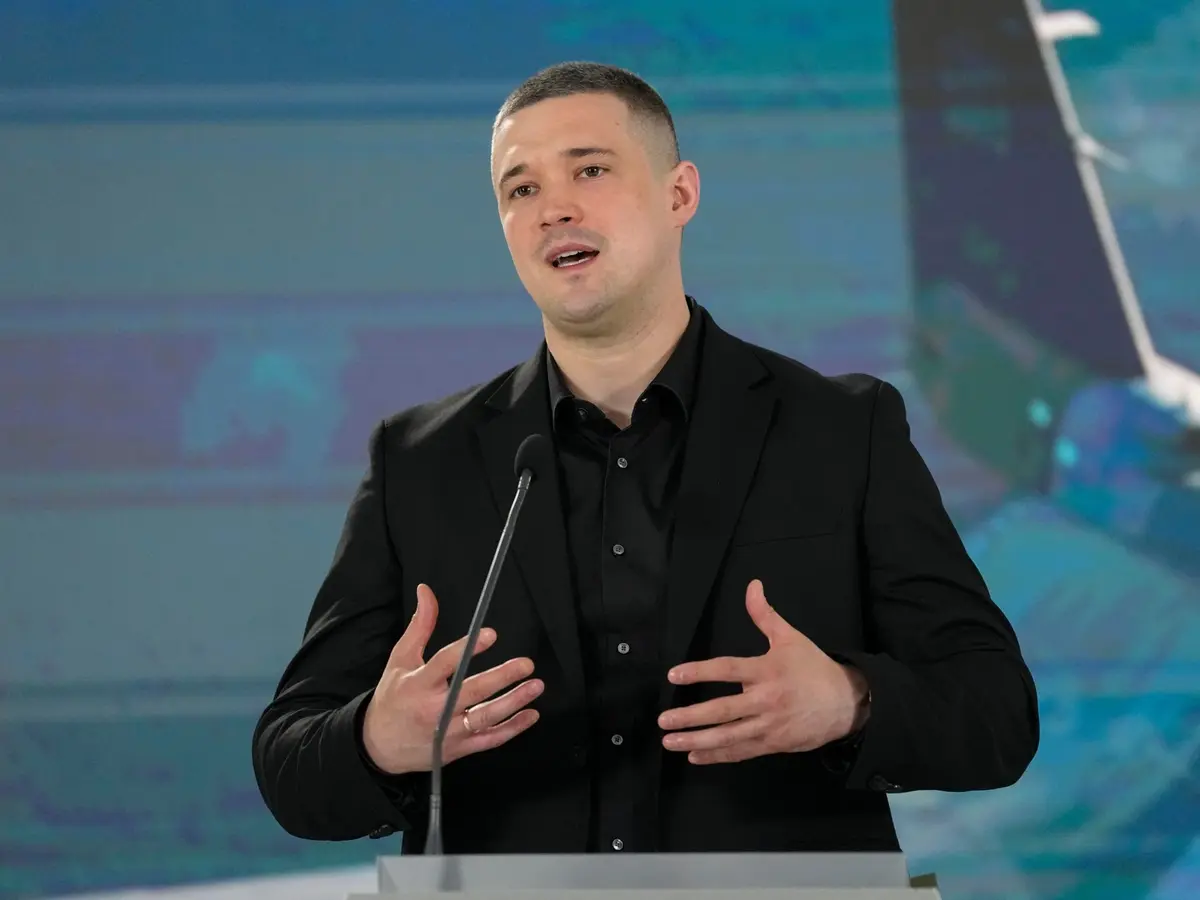
Ukraine has made significant changes to its top military and defense leadership in the past week, replacing its minister of defense and commander-in-chief even as its armed forces report some of their strongest performance in three years.
Ukraine's Defense Leadership Changes
On July 15, Defense Minister Mykhailo Fedorov was removed from his post. Six days later, Commander-in-Chief Oleksandr Syrskii was also replaced. Both leaders saw some of their key subordinates depart as well.
These changes occurred as Ukraine's military operations appeared to be gaining momentum. Some analysts suggest the shake-up stemmed from internal debates regarding military strategy and the role of different defense components.
Military Performance and Strategy
The Ukrainian Ministry of Defense reported that approximately 193,500 Russian troops have been killed or seriously wounded this year. This averages to about 32,000 monthly losses, a new high. Ukraine's Foreign Intelligence Service estimates Moscow is struggling to meet recruitment targets.
Territorial gains for Russia have been minimal. The Institute for the Study of War, a Washington-based think tank, estimates Russia has achieved a net gain of only 81.1 square kilometers this year. Reports indicate Russian forces experienced net losses of 1.6 square kilometers per day in July.
Meanwhile, Russia's war economy growth has slowed considerably. President Vladimir Putin acknowledged that growth has flattened to just 0.2 percent this year, a sharp decline from the boom experienced in 2022-24.
Disagreements Over Unmanned Warfare
A point of contention appears to have been the role of unmanned systems. Syrskii, who created the world's first Unmanned Systems Forces (SBS), championed their effectiveness. He stated that FPV drones accounted for an estimated 95 percent of enemy casualties in recent engagements.
Syrskii wrote on the Militarnyi news website that a minister's role is not war strategy. He asserted, "War strategy, planning of operations, the situation on the front — by law, I am responsible to the Supreme Commander-in-Chief."
Fedorov had strongly advocated for increasing drone procurement, buying more in his six months than the Ministry had in the previous year. Syrskii, however, cautioned against a complete shift to drones, noting the superiority of Russia's artillery, aviation, and infantry.
Strategic Strikes and Russian Retaliation
Ukraine has intensified its strikes on Russian logistics and infrastructure. As of June 6, Ukraine reported disabling 196 fuel tankers and destroying three-quarters of Russia's ferry capacity across the Kerch Strait. These actions have forced Russia to redeploy its own unmanned forces to protect shipping.
Beyond military targets, Ukraine has also struck electrical substations and power stations, causing widespread blackouts in Crimea. These attacks disrupt both the armed forces and the economy, requiring Moscow to allocate funds for compensation.
Russia has retaliated by targeting Ukraine's Black Sea port infrastructure, aiming to disrupt grain exports. This has led shipping companies to divert container traffic. Russia has also increased its ballistic missile strikes on Ukrainian cities, a departure from previous tactics.
Ukraine claims to have improved its interception rates for drones and cruise missiles, but acknowledges lower success against ballistic missiles. Analysis suggests Russia may be depleting its missile reserves with these intensified strikes.