The United States has halted airstrikes on Iran after nearly two weeks of escalating bombardments, including operations in the Strait of Hormuz, following the collapse of an Islamabad-brokered ceasefire. Washington has not conducted new attacks since Friday, while Iran has also suspended retaliatory strikes on US military assets in Bahrain, Kuwait, and Jordan.
Why the US Paused Military Action Against Iran
US officials have not publicly explained the pause, but reports suggest multiple factors at play. President Donald Trump denied claims that the US is running low on air defence interceptors, though media outlets, including Axios, reported that the chairman of the Joint Chiefs of Staff warned of dwindling stockpiles. The Pentagon later confirmed 14 US personnel killed and 482 wounded in the conflict.
Economic pressure may also be driving the shift. Global oil prices surged by more than 20% to over $100 per barrel during the fighting, straining markets. Iranian-American economist Nader Habibi told Al Jazeera that the Trump administration faced mounting domestic and international pressure to seek a diplomatic solution, as continued strikes failed to force Iran’s compliance.
Diplomatic Efforts and the Strait of Hormuz Deadlock
The Strait of Hormuz remains a critical flashpoint, with Iran effectively closing the waterway to international shipping. Tehran has accused the US of provoking vessels to take unauthorised routes, while Oman is in talks with Iran to reopen the strait under a shared management protocol—though it remains unclear whether the US or Gulf Cooperation Council (GCC) states would accept such terms.
Iran’s Foreign Ministry spokesperson, Esmaeil Baghaei, said mediators are exchanging messages between Tehran and Washington, though he claimed Iran had been “betrayed” in past diplomatic efforts. Qatar, Egypt, and Pakistan have proposed a 10-day ceasefire, while US Ambassador to the UN Mike Waltz suggested the pause in strikes would create space for negotiations.
- Six ships attempted to pass through an “illegal” route in the Strait of Hormuz early Monday, with one suffering an unspecified accident.
- Iran’s retaliatory strikes on US assets in Bahrain, Kuwait, and Jordan have ceased, per Iranian army spokesman Mohammad Akraminia.
- Global oil prices dropped 4% after the US and Iran halted missile exchanges.
What Happens Next in the US-Iran Conflict
Experts warn that both sides face high costs from continued escalation. Ali Vaez of the International Crisis Group said the recent fighting demonstrated that “escalation raises the costs without resolving the conflict.” The US naval blockade of Iranian ports remains in effect, while Iran’s economy struggles under sanctions and fuel shortages.
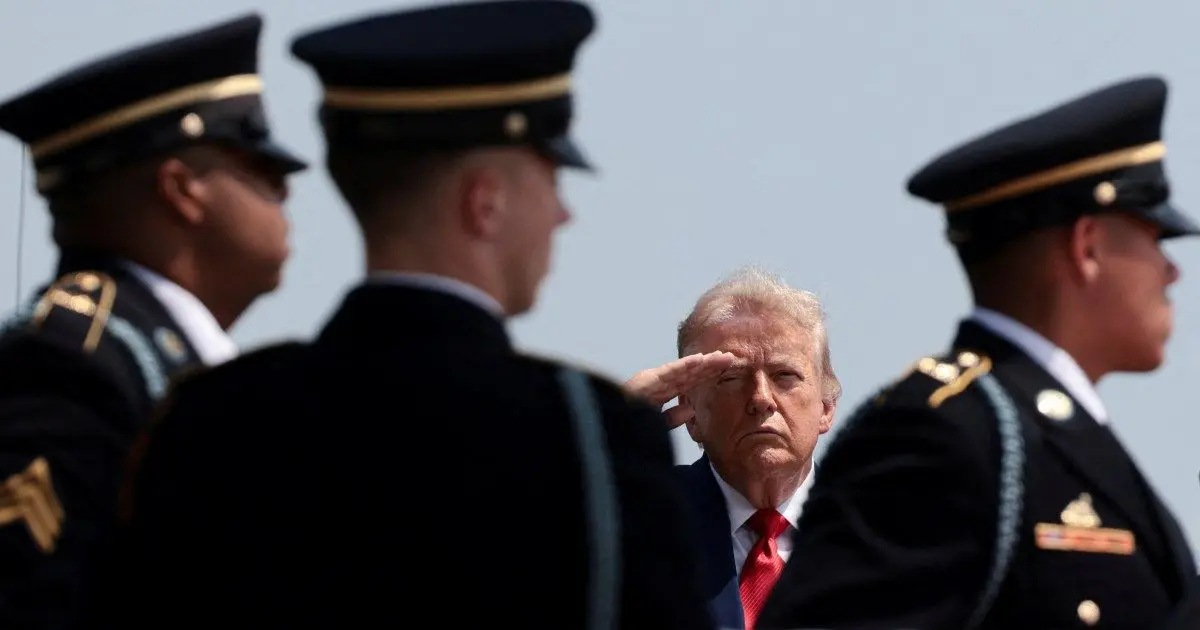
Trump has framed the pause as a strategic choice, telling reporters: “There’s a military exit where we just keep going… Or there’s a smarter strategy: you make a deal. And they want to make a deal.” With tensions spilling into Lebanon, Yemen, and the Caspian Sea, the coming days will test whether diplomacy can bridge the gaps—or if the lull is merely a temporary reprieve.