Yemen's Houthi movement has claimed responsibility for attacking two Saudi oil tankers in the Red Sea, asserting the vessels "violated" their blockade of Saudi ports. This incident occurred as the United States continued a series of strikes on Iran, marking the twelfth consecutive night of such actions and further inflaming regional instability.
Houthi Blockade and Tanker Attack
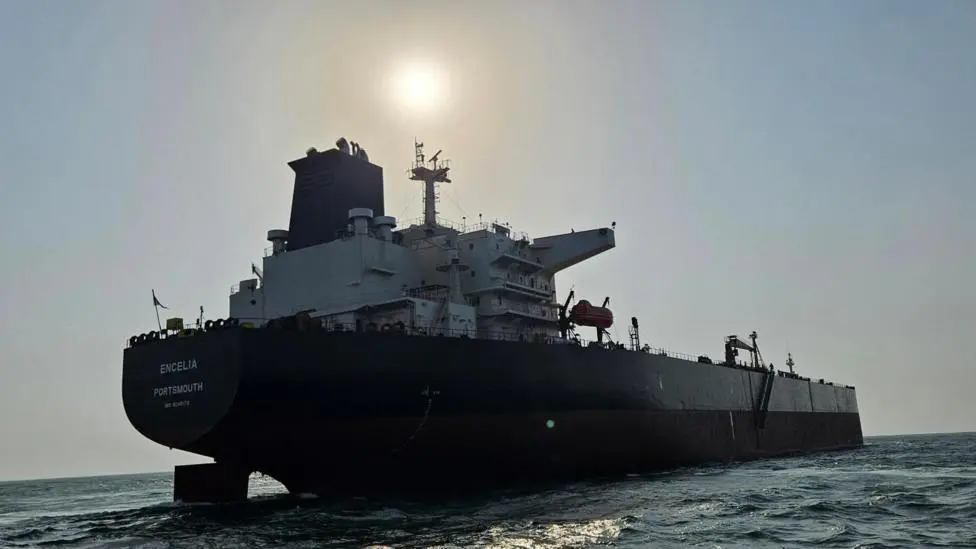
The Houthi military spokesman, Yahya Sarea, stated that the group targeted the Saudi-flagged tankers Encelia and Layla on Wednesday night with missiles and drones. He explained this action was a direct response to the "maritime embargo" announced by the Houthis earlier in the week against Saudi Arabia. The Houthis have vowed to continue their naval operations, adhering to an "siege for a siege" policy.
The official Saudi Press Agency confirmed the attack on the Encelia, reporting that the vessel was targeted while sailing in the Red Sea, which resulted in a fire at its bow. An unnamed official source described the assault as a violation of international maritime laws. Thankfully, all crew members aboard the Encelia were reported to be safe. The United Kingdom Maritime Trade Operations agency also reported an unknown projectile striking a tanker approximately 130 kilometres south-west of al-Shuqaiq on the Saudi Red Sea coast, causing a fire but no casualties.
Data from MarineTraffic indicates the Encelia departed the Saudi port of Yanbu on Monday and was en route towards the Bab al-Mandab Strait. The tanker began to slow down on Wednesday evening before reporting "Not Under Command" and coming to a stop near the Farasan Islands. Confirmation of an attack on the second Saudi-flagged tanker, Layla, has not yet been provided, although it was reportedly en route to Jizan.
US Escalates Strikes on Iran
In response to these developments, United States President Donald Trump issued a warning to the Houthis, stating that any further attacks would result in "major military punishment" for both the Houthis and Iran. The US military's Central Command confirmed it launched another wave of strikes on Iran, directed by President Trump, with the aim of degrading Iran's capacity to threaten civilian and commercial vessels in the Strait of Hormuz.
These US strikes targeted Iranian military assets, including maritime capabilities, missile and drone storage sites, and coastal surveillance installations. Iranian state media reported casualties from a US missile strike on the Shalamcheh border crossing with Iraq, and a military target in the southern province of Bushehr. Iran's armed forces subsequently claimed to have targeted US military facilities in Kuwait and Jordan, though both nations reported intercepting Iranian missiles and drones.
Regional Tensions and Oil Market Impact
The escalating conflict has significant implications for global energy supplies and maritime trade. The Strait of Hormuz, a critical chokepoint for global oil shipments, has become increasingly volatile. Iran's Islamic Revolutionary Guard Corps declared the strait "completely closed," alleging that three tankers attempted to transit a mined route, with one catching fire after an explosion.
The recurrent attacks and heightened tensions have already led to substantial increases in oil prices, with Brent crude futures reaching $100 per barrel, the highest level seen since late May. These events follow a pattern of Houthi attacks on merchant vessels in the Red Sea and Gulf of Aden, initiated in October 2023 in support of Palestinians, which previously led to significant disruptions in global shipping and a decrease in traffic through the Bab al-Mandab Strait.
Mediator Oman has indicated efforts to resume talks between the Houthis and Saudi Arabia. The ongoing situation underscores the fragility of maritime security in the region and the potential for wider conflict involving the United States, Iran, and their respective allies.