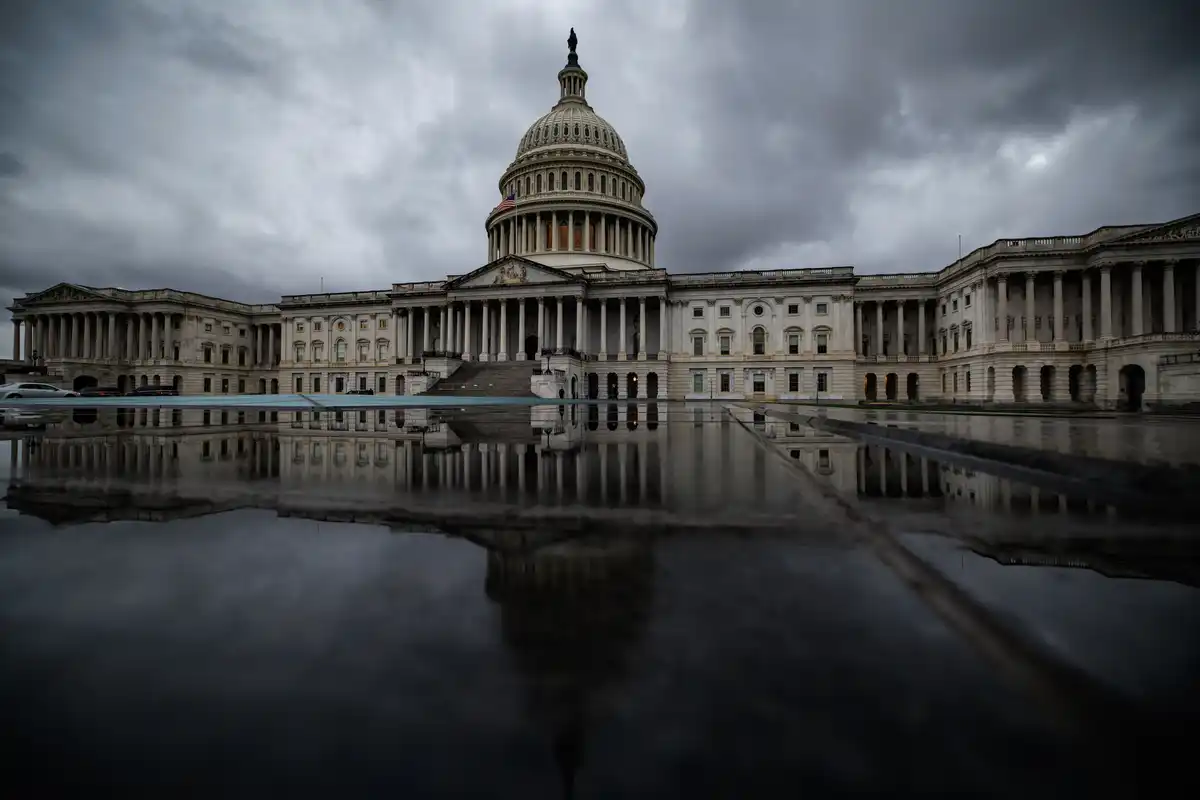
Democrats need to flip four Senate seats to gain control in 2024, a narrow path that remains uncertain as primary elections conclude and general election matchups take shape. With President Trump in office and Vice President Harris holding the tie-breaking vote, Republicans currently hold a slim majority—but historical trends, economic frustration, and Trump’s low approval ratings could reshape the map.
Most Likely Senate Flips: North Carolina Leads the Way
The retirement of Republican Sen. Thom Tillis has turned North Carolina into Democrats’ best pickup opportunity. Former Gov. Roy Cooper, a Democrat who won statewide twice despite Trump carrying the state, faces Michael Whatley, the former Republican National Committee chairman and a close Trump ally. Cooper leads in polls and fundraising, though Republicans point to voter registration advantages and Whatley’s fundraising potential in an expensive race. Democrats last won a Senate race in North Carolina in 2008.
Toss-Up Races: Alaska, Maine, Michigan, and Ohio
Four states remain true toss-ups, where small shifts could decide the outcome:
- Alaska: A namesake challenge—retired teacher Dan J. Sullivan vs. incumbent Sen. Dan S. Sullivan—has confused voters under the state’s ranked-choice system. Democrats back former Rep. Mary Peltola, who became the first Alaska Native in Congress in 2022, while Republicans bet on the state’s deep-red lean. Primary: Aug. 18.
- Maine: Democrats replaced suspended candidate Graham Platner with Troy Jackson, a former state Senate president, after Platner faced rape allegations he denies. Jackson, an economic populist, will challenge Sen. Susan Collins, the only Republican running in a state Trump lost in 2024. Republicans argue Collins’ bipartisan appeal will hold, but Trump’s unpopularity in New Hampshire could spill over.
- Michigan: A progressive vs. establishment battle pits Rep. Haley Stevens against Detroit health official Abdul El-Sayed. Stevens, backed by Gov. Gretchen Whitmer and Senate Minority Leader Chuck Schumer, has outspent El-Sayed 8-to-1 on ads. The winner faces Republican Mike Rogers, who narrowly lost to Sen. Elissa Slotkin in 2024. Primary: Aug. 4.
- Ohio: Former Sen. Sherrod Brown seeks a rematch against Republican Sen. Jon Husted, appointed after JD Vance’s vice presidential run. Brown, focusing on economic issues, lost narrowly in 2024 amid backlash to Kamala Harris. Republicans argue Ohio’s rightward shift will favor Husted, but Brown’s war chest and name recognition keep the race competitive.
Longer Odds: Minnesota, Georgia, New Hampshire, Iowa, Texas
While Democrats are favored in Minnesota and Georgia, internal party divisions could complicate their path. In Minnesota, progressive Lt. Gov. Peggy Flanagan leads centrist Rep. Angie Craig in polls, though Craig has raised more money. Georgia’s Sen. Jon Ossoff remains the favorite despite defending a state Trump won in 2024, while Republican Rep. Mike Collins, a Trump ally, hopes midterm turnout will help him.
New Hampshire’s open seat, left by retiring Sen. Jeanne Shaheen, pits Rep. Chris Pappas against former Sen. John Sununu. Republicans see an opening with independent voters, but Trump’s 60% disapproval rating in the state could hurt Sununu. In Iowa, Democratic state Rep. Josh Turek—an Olympic wheelchair basketball gold medalist—challenges Republican Rep. Ashley Hinson after Sen. Joni Ernst’s retirement. Texas remains a reach for Democrats, where state Rep. James Talarico faces scandal-plagued Attorney General Ken Paxton, who won a contentious primary despite legal troubles.
What Happens Next
The remaining primaries—Michigan (Aug. 4), Minnesota (Aug. 11), Alaska (Aug. 18), and New Hampshire (Sept. 8)—will finalize the general election matchups. Polling, fundraising, and turnout in these races will determine whether Democrats can secure the four seats needed to flip the Senate. With control hanging in the balance, every battleground state could tip the outcome.