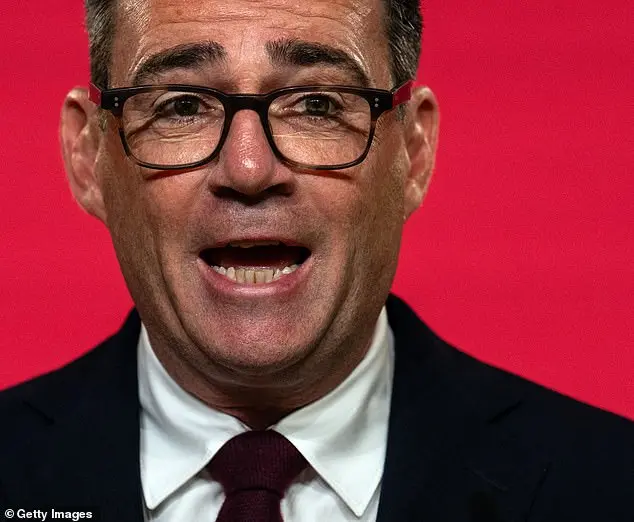
Andy Burnham officially becomes UK Prime Minister today after a rushed transition, with his team admitting they lack a structured plan for his first month in office.
The Labour leader accepted his new role at a Friday conference, declaring, “I am ready, ready to lead,” but allies concede the rapid handover from Keir Starmer left little time to prepare. One aide admitted, “We haven’t even got anyone to fill [the planning grid] in yet.”
Unprepared for Power: Cabinet and Policy Turmoil
Burnham’s transition marks the least prepared premiership in modern British history. His accession speech, described as backward-looking and party-focused, failed to resonate with the broader public. Meanwhile, Cabinet appointments remain unresolved, sparking internal conflict among contenders like Shabana Mahmood and Ed Miliband for the Chancellor role.
Policy proposals—ranging from ID cards to North Sea oil—lack cohesive messaging. A Labour MP criticized the approach as “just chucking stuff out to convince people they actually have a policy agenda.” Staffing gaps persist, with no clear 100-day strategy or organizational structure in place.
Burnham’s Vision and Early Challenges
Despite the chaos, Burnham’s “Makerfield Test”—prioritizing policies benefiting working-class constituents—offers a potential framework. His ability to unite diverse political factions, as seen during his tenure as Manchester mayor, may also help stabilize his leadership.
However, the abrupt shift from by-election victory to Downing Street leaves little room for error. Burnham’s call to give Britons “space to breathe” may first require him to find his own footing amid the pressure of office.