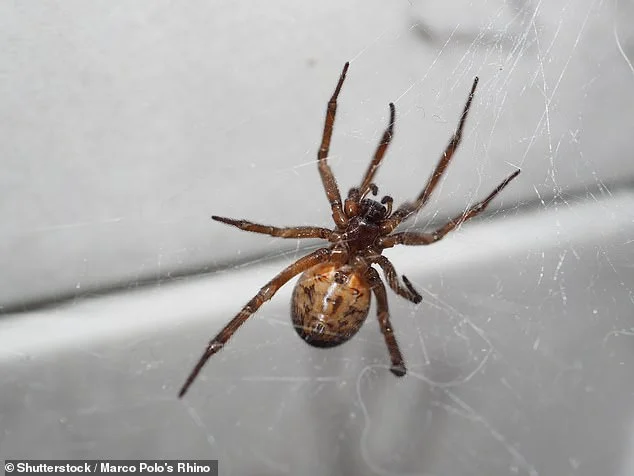
False widow spider bites in the UK have surged, with NHS data revealing 100 hospital admissions in 2025—more than double the 47 recorded in 2015. The noble false widow (Steatoda nobilis), a non-native species, is the primary culprit, spreading rapidly across the country.
Why False Widow Spiders Pose a Growing Threat
The noble false widow, identifiable by its shiny brown body and skull-like markings, delivers a venomous bite that can cause severe pain, swelling, and in rare cases, anaphylactic shock or infections like sepsis. Experts attribute its rise to warmer temperatures and climate change, with the species now common nationwide.
Clive Hambler, an Oxford University biologist, warns the spider’s venom can trigger medically significant injuries, including tissue death and antibiotic-resistant infections. However, Buglife’s Dr. Danniella Sherwood notes that false widows do not attack humans intentionally—bites typically occur when the spider is accidentally pressed against skin.
Real-Life Cases and Symptoms to Watch For
Recent incidents highlight the dangers. A Bedfordshire man developed a blackened, infected leg after a suspected false widow bite, requiring antibiotics for cellulitis. In 2022, a Hull student died from sepsis after a bite left a £1 coin-sized wound. Symptoms of a false widow bite may include:
- Intense, radiating pain
- Swelling and redness
- Nausea, fever, or lethargy
- Anaphylactic shock (rare)
How to Prevent Bites and Respond if Struck
Prevention is simple: shake out clothing, shoes, and bedsheets before use. If bitten, wash the area with soap and water, and monitor for infection. Seek medical help if symptoms worsen—severe swelling, throbbing, or signs of sepsis (confusion, disorientation) demand urgent care.
While other UK spiders, like the giant house spider, may bite if provoked, their venom is harmless. The noble false widow remains the only species with a medically significant bite in Britain. Experts advise capturing the spider for identification if possible.