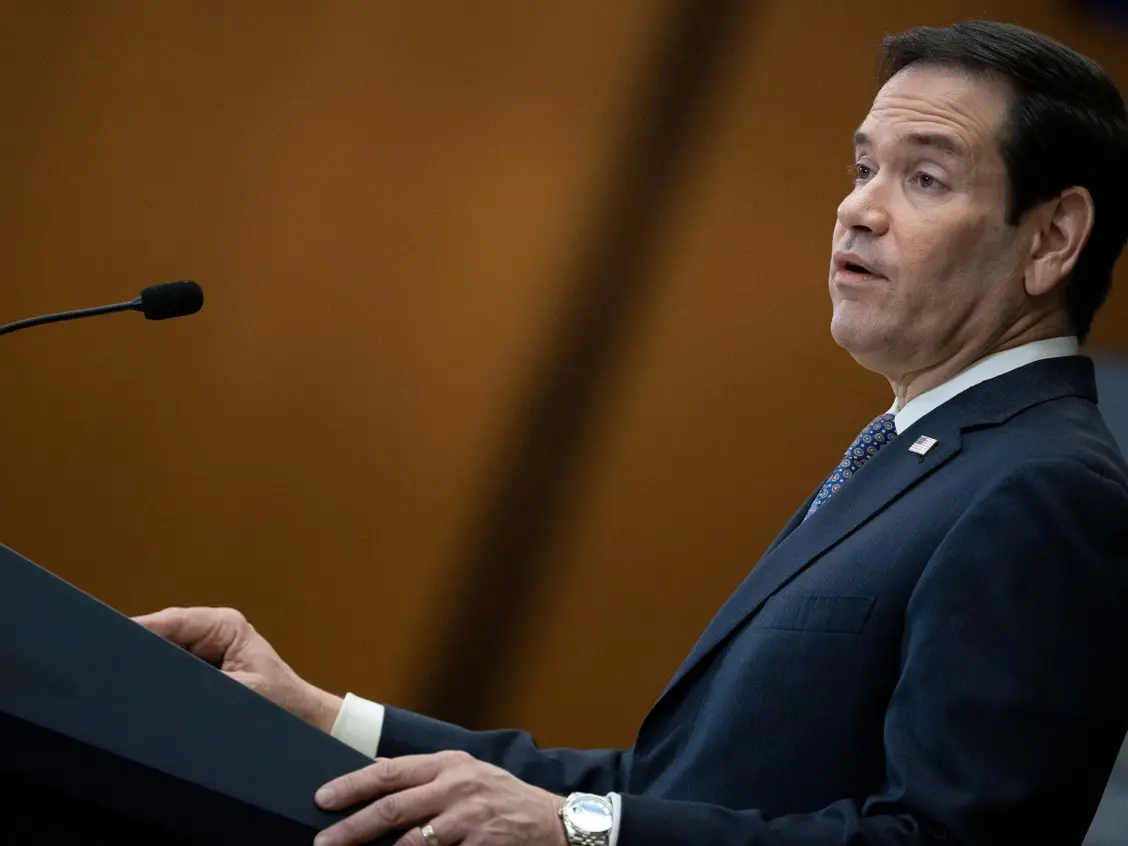
US Secretary of State Marco Rubio has declared that the greatest terrorist threat facing the world today comes from far-left extremism, a shift from the long-standing focus on radical Islamist groups. Speaking at the Ministerial on the Resurgence of Political Terrorism in Washington, D.C., on July 16, Rubio addressed leaders from 60 countries, urging a reevaluation of global counter-terrorism priorities.
Legacy of Counter-Terrorism Efforts
For a quarter-century, Western counter-terrorism strategies have centered on combating radical Islamist extremism, a response to the 9/11 attacks in 2001, which killed 3,000 people in the US. Subsequent attacks in Madrid (2004) and London (2005) reinforced this focus. Rubio noted that these efforts have yielded significant results:
- Jihadist attacks and plots in the US have fallen by two-thirds since ISIS’s peak.
- Fatalities from jihadist terrorism in Europe dropped by roughly 97% between 2015 and 2024.
- Key figures like al-Baghdadi, al-Zawahiri, and bin Laden were eliminated.
Despite these successes, Rubio warned that the threat of Islamist extremism persists, particularly due to immigration systems that may inadvertently import such risks.
Far-Left Terrorism: A Historical and Growing Threat
Rubio argued that far-left political terrorism is not a new phenomenon but has been historically dominant in many regions. He cited examples from the Western Hemisphere, including the Tupamaros, Montoneros, FARC, and ELN, as well as Europe’s Red Brigades and Red Army Faction, which carried out bombings, kidnappings, and assassinations for decades. In Greece, the 17 November organization targeted officials, including the assassination of a US CIA station chief in 1975.
Recent incidents underscore the urgency of addressing this threat, Rubio stated. These include the firebombing death of a 72-year-old woman in Greece, a blackout in Berlin caused by an attack that left an 80-year-old woman dead, and the fatal beating of a 23-year-old in Lyon by far-left militants. He also referenced the 2020 George Floyd riots in the US, where violence was often downplayed or excused by authorities and media.
Call for a Unified Response
Rubio criticized the long-standing bias in counter-terrorism discourse, where far-left violence has often been dismissed or justified as ideological excess. He called for an end to this double standard, emphasizing that political violence—regardless of its origin—must be condemned and combated. The conference, attended by leaders across the political spectrum, signals a growing recognition of the need to address far-left extremism as a serious and escalating global threat.




