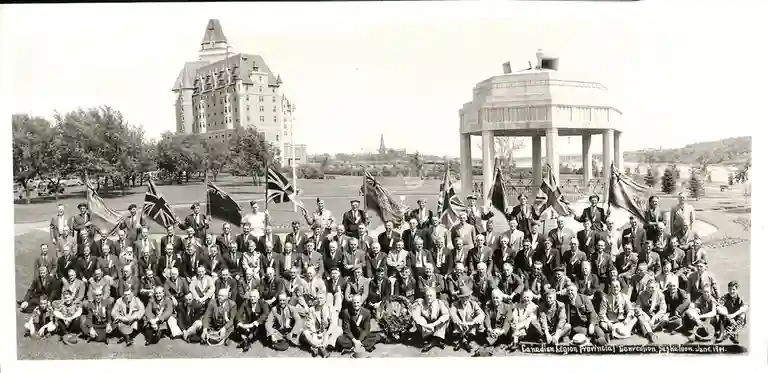
The Royal Canadian Legion is celebrating its 100th anniversary in 2026, marking a century of grassroots advocacy and support for the nation’s veterans. Founded in 1926 to unify veterans’ groups, the organisation now operates 1,350 branches across Canada, including Regina’s historic Branch 001.
A century of service and remembrance
For veterans like Juergen Knauert, who served with the Royal Canadian Army Medical Corps from 1965 to 1970, Legion halls offer a sense of camaraderie. Upon entering Regina’s Branch 001 in 2023, he was struck by its vaulted ceiling and stained-glass windows depicting military life. “It’s a kind of a fellowship, if you will. Rank really doesn’t matter,” said the 77-year-old, now the branch’s vice-president and museum director.
The Legion’s role has evolved from its early days as a unified voice for First World War veterans, many of whom faced economic hardship after returning home. Professor Eric Story of Wilfrid Laurier University notes that the organisation was “foundational to shaping the memory” of the conflict, later advocating for federal legislation to codify veterans’ rights.
Preserving history for future generations
To mark the centenary, Regina’s branch museum has issued a public appeal to identify soldiers in its digital archive of 3,000 photographs. Collections manager Kelsey Lonie emphasised the importance of these images in reminding Canadians of the “humanity of war.” The museum also houses artefacts such as medals and shrapnel from the First World War trenches.
The Legion’s cultural impact endures through initiatives like the Remembrance Day poppy campaign, which Professor Story describes as a potent symbol of war and sacrifice. Meanwhile, national spokesperson Nujma Bond highlights a recent surge in membership—100,000 new members in 2026 alone—thanks to streamlined applications and expanded eligibility to the RCMP.
Legion branches as community hubs
Beyond veteran support, Legion halls have become multifunctional community spaces, hosting events from weddings to social gatherings. Ms. Bond observes that younger generations are increasingly engaging with the organisation, whether through Remembrance Day contests or casual visits. “If you’re in a position to meet a veteran, then you’re able to have some conversations you might not otherwise have,” she said.
As the Legion enters its second century, its mission remains clear: to honour the past while adapting to the needs of modern veterans and their communities.