The UK government has nationalised British Steel, prompting China to demand a fair resolution and compensation for its former owner, Jingye Steel. The move, announced on Thursday, places the loss-making company under full state control on national security grounds.
China's response to British Steel nationalisation
China’s Ministry of Foreign Affairs stated on Saturday that the issue has drawn widespread attention in the country. How the UK handles the matter will directly affect Chinese investors’ confidence in Britain’s investment climate, the ministry warned, adding that it would shape public perceptions of the British government’s credibility.
The ministry urged the UK to seek a mutually acceptable solution, including compensation arrangements. Jingye Steel, which acquired British Steel for £70 million in 2020, had previously called for compensation over losses incurred from its investment.
British Steel’s strategic importance
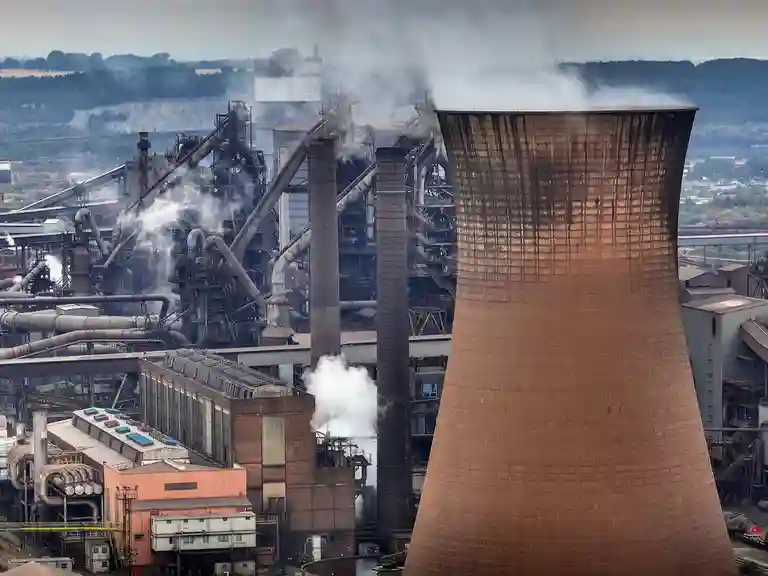
British Steel is the UK’s sole source of primary steelmaking, supporting around 2,700 jobs at its Scunthorpe plant and thousands more in the supply chain. By 2025, Jingye reported daily losses of £700,000 from the venture.
The nationalisation follows a year-long process, including a March 2025 consultation by Jingye that deemed the furnaces financially unsustainable. A month later, Jingye cancelled orders for a key steelmaking material, raising fears of a shutdown that would leave the UK as the only G7 nation without virgin steel production.
Government justification for intervention
In April, the UK government took operational control of British Steel to prevent closure, though Jingye retained ownership. The full nationalisation was finalised this week, with officials citing the need to secure jobs, supply chains, and national security as key reasons for the decision.