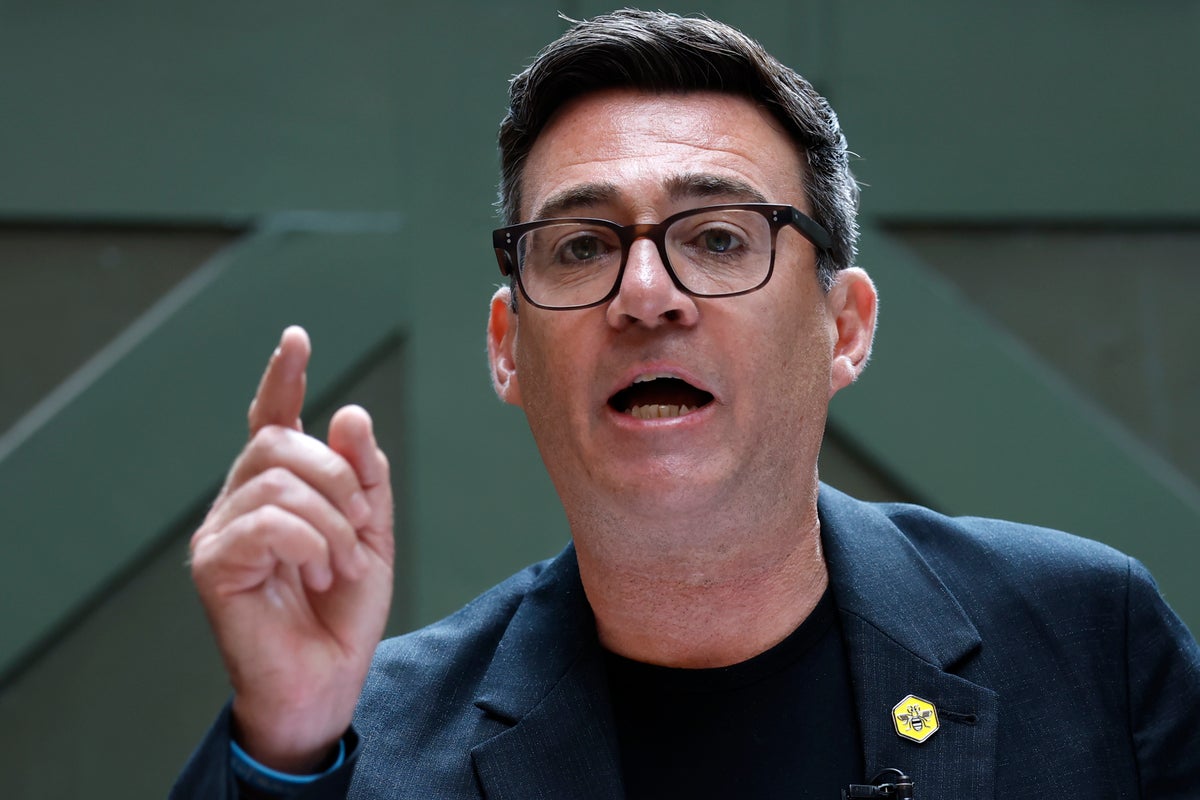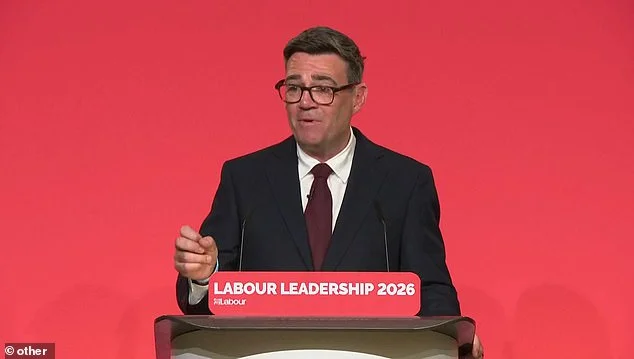
Andy Burnham has been formally confirmed as the new leader of the Labour Party, succeeding Sir Keir Starmer, following a one-candidate contest at the TUC headquarters in London. The Makerfield MP, who secured the backing of 369 of Labour’s 403 MPs, used his acceptance speech to criticise the economic and political shifts of the 1980s, vowing to reverse what he described as decades of centralisation and privatisation.
Burnham outlines vision for economic and political reform
In his address, Mr Burnham, who returned to Parliament in a recent by-election, argued that Britain had taken “a series of wrong turns in the 1980s,” when “political power was centralised and economic power was privatised.” He asserted that the country had “surrendered control of the essentials—housing, water, energy, transport”—leading to higher costs and a concentration of wealth among a minority. The former Greater Manchester Mayor also pledged to devolve power to local communities, including proposals for a “No 10 North” outpost in Manchester.
Despite his criticism of past Labour leadership, Mr Burnham praised Sir Keir Starmer’s “service to our party and our country,” while insisting that factionalism within the party must end. He stated, “Today we move beyond it,” and reaffirmed his commitment to a united Labour movement as the best hope for the country.
Policy direction remains unclear as transition begins
While Mr Burnham has signalled a shift towards greater public control and nationalisation, key details of his policy agenda remain undefined. He has confirmed adherence to Rachel Reeves’ fiscal rules and existing manifesto pledges not to raise income tax, VAT, or national insurance, though he has not ruled out a wealth tax. The appointment of his Chancellor remains speculative, with Home Secretary Shabana Mahmood now considered a leading candidate for the role.
Preparations for the handover of power are underway, with removal vans spotted outside Downing Street as Sir Keir and his family prepare to depart. Mr Burnham, who avoided taking media questions, has instead engaged with supporters through social media, sharing personal insights in a series of informal clips. His leadership begins as Labour trails Reform UK in opinion polls, raising questions about whether his approach will revitalise the party’s fortunes.