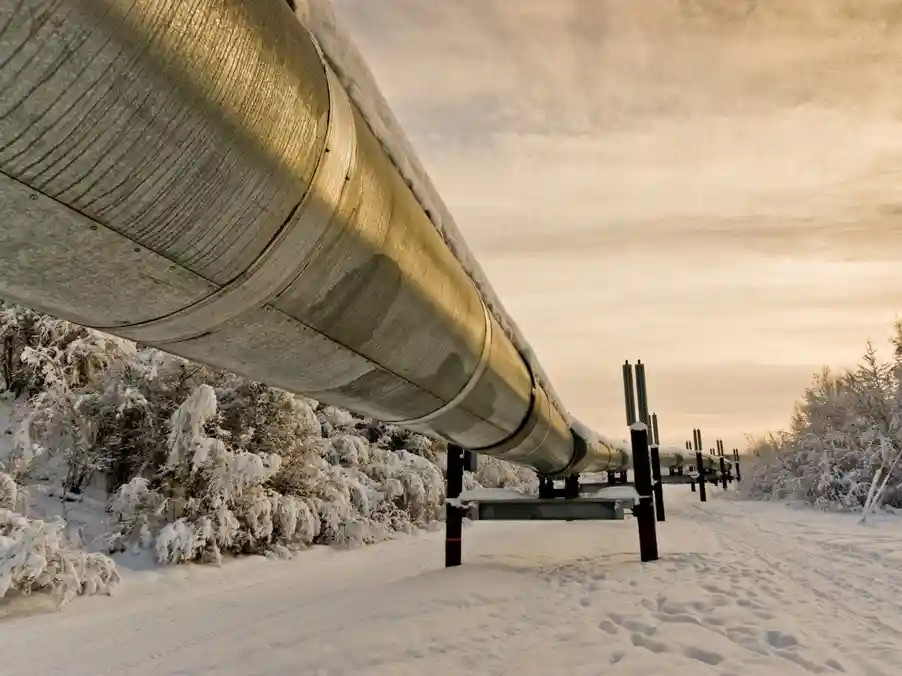
Canadian readers are divided over whether governments or private companies should finance new pipelines, with some arguing public funding aligns with historical infrastructure projects while others question the economic burden on taxpayers.
Public Funding for Pipelines: A Historical Precedent
Patrick Cowan of North York, Ont., notes that governments have long funded major transportation projects, from railways to highways and the St. Lawrence Seaway. He asks why oil pipelines should be treated differently, citing the Trans Mountain pipeline’s completion only after federal intervention. Cowan argues that government backing streamlines approvals and enables privatization later.
Taxpayer Concerns Over Pipeline Costs
Raymond Foote of Ottawa challenges Energy Minister Tim Hodgson’s claim that a new pipeline is a sound investment for taxpayers. He highlights the Trans Mountain project’s ballooning costs—from an initial $5 billion estimate to $34 billion—while questioning the direct benefits to Canadians. Foote criticizes the lack of transparency on returns, noting dividends may fund unrelated programs like healthcare rather than offset borrowing costs.
Gambling vs. Smoking: A Double Standard?
L.G. Anderson of Spruce Grove, Alta., draws parallels between government-approved online gambling and banned cigarette ads. Despite gambling’s addictive risks—including financial ruin and suicide—the government profits from it, Anderson argues, calling for stricter regulations akin to anti-smoking campaigns.
Safety and Logic in Pipeline Routes
A former submarine navigator counters the West Coast tanker ban, asserting Prince Rupert’s port is safer than Vancouver’s or the ice-prone St. Lawrence River. The writer also questions why Quebec isn’t required to import decarbonized oil, while Newfoundland’s offshore oil faces no such federal mandate.




